In a few days, the Strait of Hormuz closure and the consequent supply chain cut-off of essential commodities like oil and gas contributed to an increase in petrol prices all over the world (20% in average) and to a general inflationary trend in Europe (0,5%-1%). In particular, the European Commission estimated a financial impact of Euro 22 bn due to the increase in fossil fuel prices. On the Hormuz Strait transits 20% of the world’s petrol and 19% of LPG global trade. Following the Hormuz Strait closure, the US President imposed a naval blockade to limit the Iranian export in the Iranian harbours, probably against China, and this further pushed the price per barrel over 100 dollars in addition to triggering a +70% increase in the LPG prices in Europe. Countries like Italy, where domestic LPG production represents only 4% of national LPG requirements, are strongly dependent on the marine supplies, especially after the supply diversification policies adopted during the Russian-Ukrainian war.
These factors, combined with the already known problems – strong dependence on imports, manufacturing crisis and high public debt – could have a negative multiplicative effect on European GDP and represent the first step of a future stagflation. In a nutshell, it’s not only a problem of quantity supply but also a multiplicative effect on global energy prices. This inflationary crisis will strongly hit countries like Italy, with a higher LPG% in the national energy mix, with dramatic consequences on family energy bills and business competitiveness. In this situation, we shouldn’t forget the central role of Iran in other Middle East complicated geopolitical situations. In particular, the Iranian government strongly supported Hezbollah in the Israeli-Lebanese conflict, the Bashar al-Assad government in the Syrian civil war, the Iran-backed militias in Iraq and the Shiite militants in Yemen. These Yemen Houthi are particularly dangerous in the process of spreading the crisis to the Red Sea, where the Bab el-Mandeb strait is even more important than Hormuz for the EU petrol supply. The use of alternative marine paths around Africa and the higher importance of the oceanic shipping networks to Northern Europe are contributing to the increase of logistic costs, with a cascade of consequences also on necessity products.
The Iranian war, initiated to dissolve these ‘dangerous alliances,’ is contributing to a further unstable climate in the Middle East with dangerous consequences on the European financial markets. The Stoxx600 index registered a substantial drop of 6% – roughly Euro 1,100 bn loss in capitalisation – coupled with a pessimistic forecast on Earnings per Share index (EpS), even worse than the 2022 inflation. The European response to the energy market shock can be summarised with the intention to reduce our future dependence on oil and gas and to leverage the electricity prices. In particular, the European tax regulations aim at imposing lower or even zero taxes on electricity in comparison to taxes on natural gas. The final purpose is to convince EU customers to replace their gas with electricity consumption, thanks to the increasing use of heat pump systems and electric machinery.
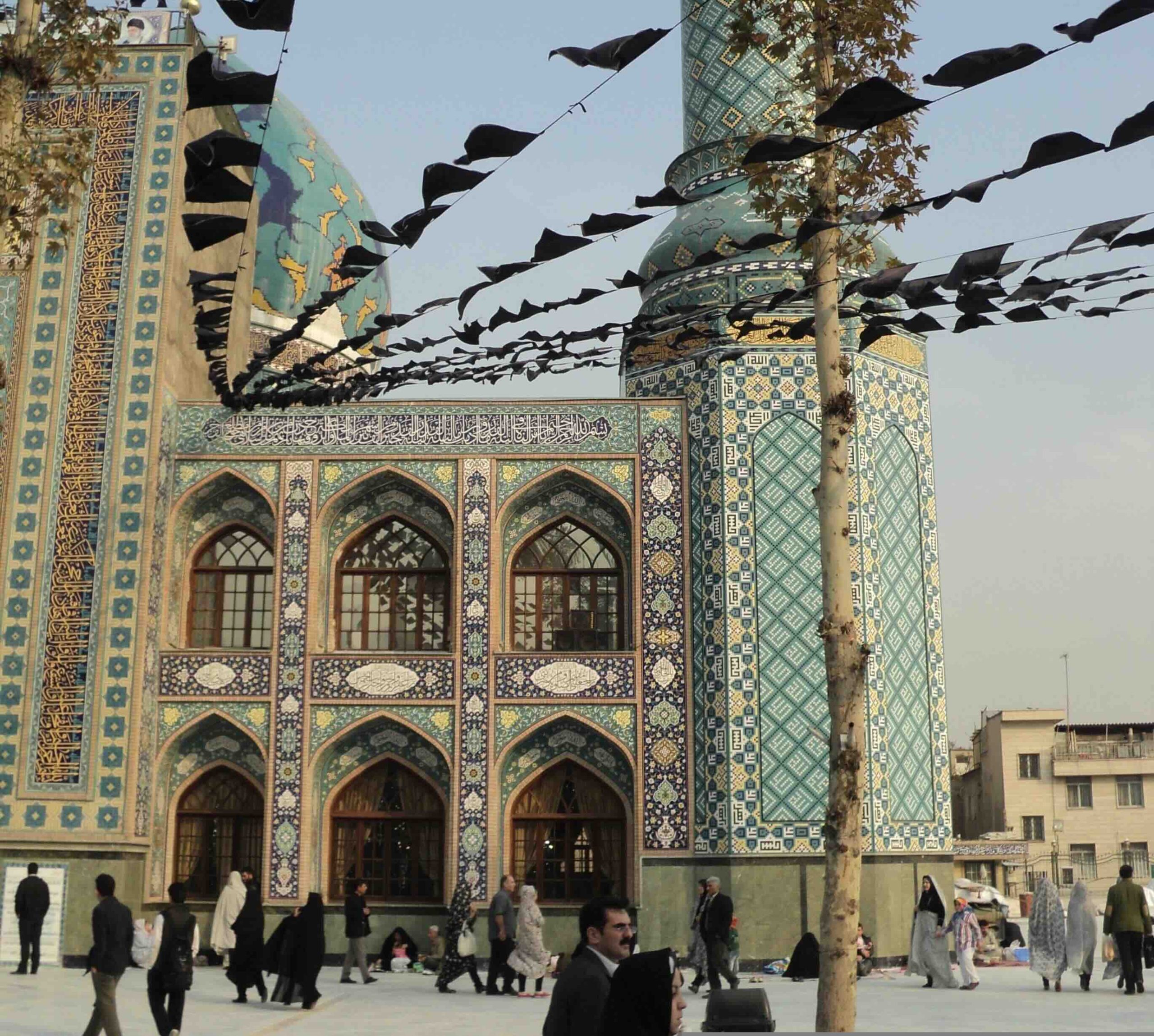
In order to smooth and facilitate this transition, the EU Commission is also considering some countermeasures, such as releasing strategic petrol reserves or promoting further energy-saving campaigns. The theme of EU gas reserves is particularly delicate, with the EU reserves dropping under the strategic threshold of 28%. This will oblige Europe to procure the necessary stock for winter months in other international markets dominated by North-African countries, less and less flexible in renegotiating contracts and adopting a strong speculative approach.
The energy transition is always a valid long-term solution, through the massive increase of renewable energy plants and the adoption of energy efficiency strategies. Only a stronger emphasis on sustainability and green energy self-production will represent a serious geopolitical shield for the vulnerable EU countries.
Article edited by Prof. Paolo Bongarzoni
Dean Swiss School of Management and Corporate Director