The landscape of the crisis
The luxury economy is considered theoretically inelastic with respect to economic cycles. On the contrary, rising prices are seen as a functional tool to fuel demand. This reading has been questioned during 2024, probably also due to some excess in the use of the variable price. Data shows fifty million consumers lost and a drop in production in volume that fluctuates between 20 and 25% compared to two years ago. That 2024 had been one of the hardest and most complex years for the luxury industry as a whole and had already been understood by the performance of large groups such as LVMH, Kering and Richemont whose turnover was down. Something unexpected by many observers, but motivated by a deeper analysis.
A decline that, despite the fact that there are also major differences in the performance of companies, is reflected in the turnover numbers of the sector: according to the Luxury Goods Worldwide Market Study Altagamma-Bain, presented during the Altagamma 2024 Observatory, luxury as a whole at the end of 2024 will touch 1,478 bn€, down 2% on 2023, thanks to the drive of experiences and luxury personal goods that stands at 363bn€, compared to 369bn€ in 2023, also down 2%. In addition to turnover data, the focus is on two key elements:
a) the consumer base, which has shrunk under the weight of economic and geopolitical uncertainties, but also of price increases that are not always justified in their eyes;
b) the fragility of the supply chain, which is largely located in Italy and especially in some areas such as footwear and leather goods that, both in decline, are suffering a lot. Therefore, we are facing the first slowdown in the sector in 15 years, net of Covid years. The 2025 performance will also depend a lot on the brands: they must strengthen the entry items to respond to the market that exists, but has been alienated. The issue of prices, which according to Bain-Altagamma grew by 20% between 2021 and 2023, emerges on several fronts:
- the decline in purchases by Gen Z, who have less economic availability;
- the success of off-price sales channels such as outlets or formulas such as second-hand that combine the lowest cost with a sustainable approach to shopping;
- the success of categories such as beauty and eyewear without which the decline in production volumes would be even more marked;
- the impact of the parallel irregular market, which has decreased the presence and improved the quality of the supply, with a pricing policy that has not followed the increase recorded in the official market;
- the visible modification among the three business lines of the irregular market: the fake and imitation products, now marginal, the goods produced with material waste (growing) and those deriving from wholesale theft and other crimes, constant in their volume.
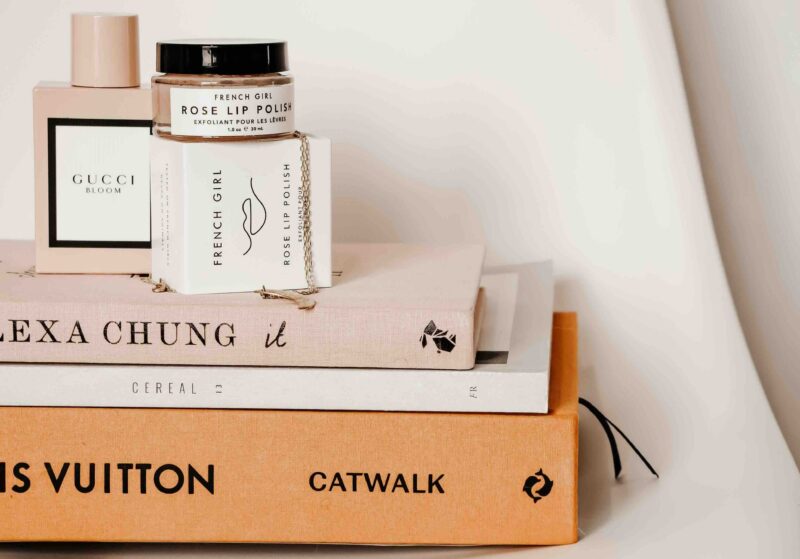
The data of the crisis
Although six to seven million important clients make purchases equal to 45% of total sales, for analysts the opening to a more heterogeneous clientele is essential in a scenario in which, within the next five years, the world will have 300mn new members of the middle class, of which 150mn in China. The industry, for its part, is in a reflection phase: if we talk about prices, it means that many producers have not been able to make people fall in love with new fashion products, as suggested or recognized by Andrea Guerra, CEO of Prada, one of the few brands that grew during 2024. The consumer feels betrayed because he believes that the product’s actual value does not reflect the price. Of course, in the last years after COVID, mistakes have been made in the sector: there has been an upward shift in prices because it has been easy to raise them. However, not many do believe that everything can be solved by lowering prices or bringing products to the market at lower prices, but by increasing credibility. This view collides with the inelastic prices theory for luxury goods.
Bringing consumers and their needs back to the center, but also products and the savoir faire that distinguishes them are key strategic elements for a sector that is expected to return to a slow growth in 2025, at least reading the main industrial plans of the competitors. According to the Altagamma Consensus, in 2025, there will be moderate growth of the market, equal to about 3%, with the Middle East recording +5%, in the USA, while purchases are expected to resume at +3.5%, and in Europe at +2% driven by incoming tourist spending, including Americans who remain a pillar of luxury spending. The balance will tip in Asia and China, where is expected a growth of 3%. According to the survey, which crosses the opinions of Altagamma’s partner companies and analysts, the categories that will record the best performance are cosmetics (+6%) and jewelry (+4.5%), while footwear and watches will be the most suffering categories (+1%). The Ebitda of companies in the sector is also up slightly: it is expected to grow by 3%, also thanks to greater efficiency and cost rationalization. This last factor plays against the traditional approach of the industry.
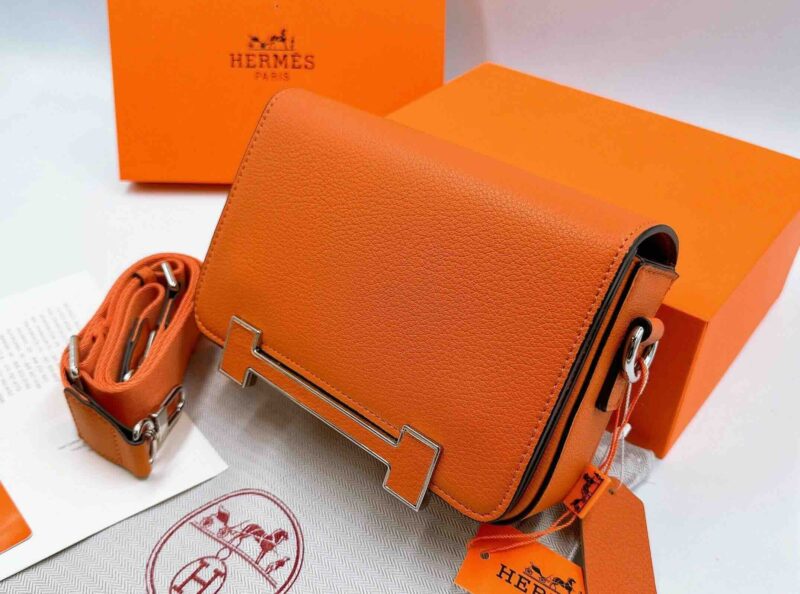
After a difficult 2024, which will close down, forecasts for 2025 are for a moderate revenue and margin recovery. We are facing very strong uncertainties in the economic and geopolitical scenario with a series of clouds that remain: wars, inflation, China struggling to recover, the American elections with a potential change in economic policy and international relations with increases in import duties that could reflect not only on Italian exports to the United States but also on the relationship between Italy and China. Italian brands need a strong diplomatic commitment from our government and a choral action from the European government to protect producers and businesses. Altagamma has made some requests to the Italian government: the reduction to 30% of the research and development tax credit required from companies after the change of regulatory interpretation and a 10-year deferral; incentives for companies that create internal Academies for the training of highly qualified personnel; incentives for hiring under-30s in companies.
In the last week of 2024, a series of reports on the economic results of listed companies were published, relating to the second quarter (April to June) and the first half (January-June) of 2024. The most disappointing results were those of luxury companies, understood in a broad sense: from fashion to cars, from watches to champagne. While it is true that some brands, including (not listed) Armani, Prada, Hermès and Moncler, have done well and recorded satisfactory sales increases, many have reported substantial declines, including Burberry, Porsche, Ferrari and the largest groups LVMH, Kering and Richemont. The results are different from sector to sector and in some cases depend on specific company choices. In general, however, they have confirmed a trend that concerns all luxury and that has been going on since the end of last year: consumer interest in high-end and ultra-high-end items is declining, for two main reasons. On the one hand, there is the uncertain trend of the global economy and the most important markets for the sector, such as China; on the other hand, a broad cultural change is underway that influences consumption choices.
In the first half of the year, the revenues of LVMH – the world’s largest luxury group, which controls fashion companies such as Louis Vuitton, Dior, Bulgari and Fendi, watches such as TAG Heuer, champagne such as Moët & Chandon, Chandon and Dom Pérignon, and cosmetics such as Sephora – fell by 1% compared to the first half of 2023, with peaks of 14% for sales in China, its recognized reference market. The declines mainly affected the division of wines and spirits, whose sales fell by 14%, and that of watches and jewelry, which lost 5%. Clothing also sold 2% less.
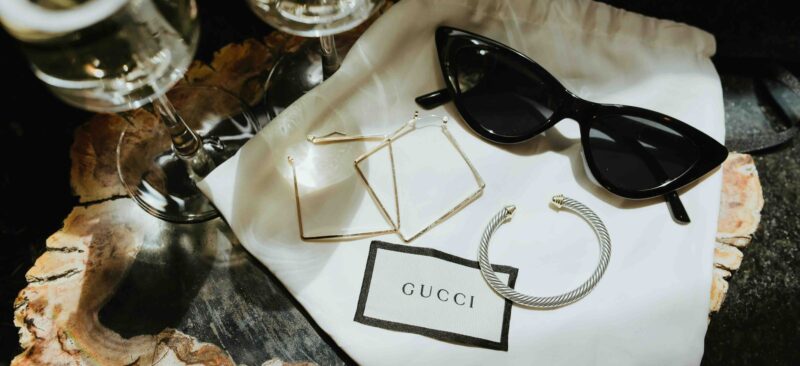
In Q2 of the year, Kering, second major luxury group and owner of brands such as Gucci, Balenciaga, Saint Laurent and Bottega Veneta, had 11% less turnover than in the second quarter of last year, with a particularly negative result for Gucci, whose revenues fell by 20% maybe also due to a specific crisis of the brand. Kering also said it expects even worse results in the second half of the year, up to 30% lower than last year. Results were also disappointing for Burberry, whose sales fell 21% in the first quarter of the year, and Porsche, whose revenues fell 4.8% from the first half of last year.
The perspectives
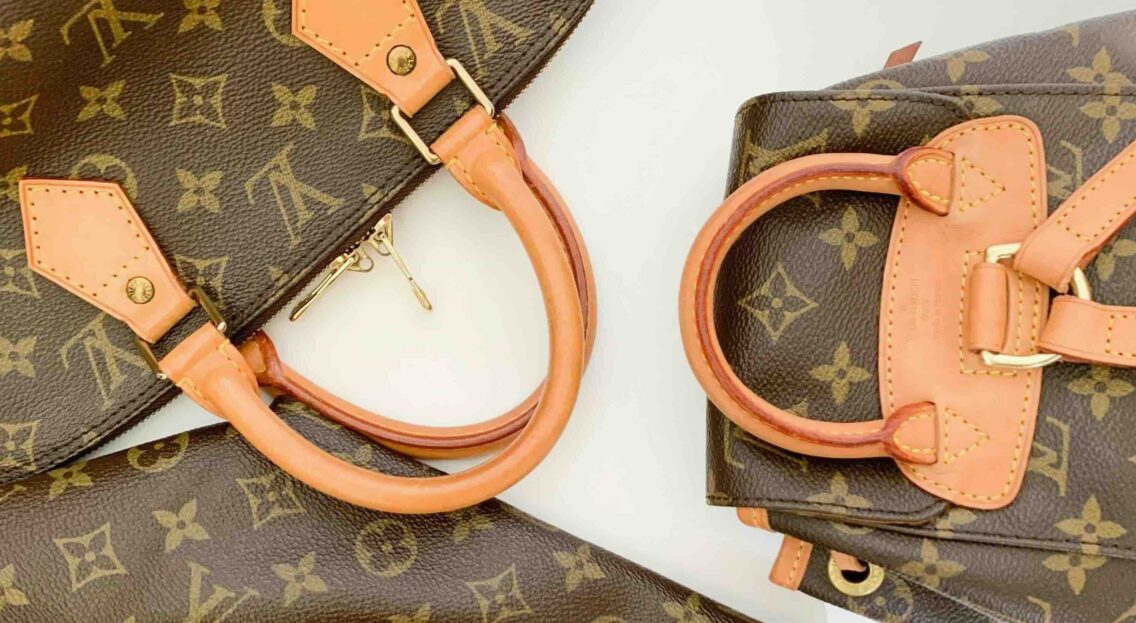
One reason, and perhaps the quantitatively most impactful, concerns the great difficulties of the Chinese economy, the reference market for the big luxury brands: in the country the real estate sector is in crisis, which for years has been the main driver of growth, youth unemployment is very high, consumption is very low and has been decreasing for some time. In this context, imports of luxury products have been greatly reduced. Western markets are also showing some uncertainty, especially due to inflation and the consequent reduction in real incomes, which have essentially excluded the middle and upper-middle class from the luxury market, as people have less money to allocate to unnecessary purchases, seen as redundant. Added to this are the price increases of luxury products, decided by companies both to cope with a generalized growth in production costs, and as a weighted choice to focus on the highest end of the market, capable of spending even in times of crisis. You can see it especially in clothing. A classic example is the price hike of Louis Vuitton’s Speedy, a trunk bag model that was once among the brand’s cheapest and therefore also affordable for the middle class: in the 2010s with 600-700€ you could buy the basic model, which now costs 1,550€. The same goes for the Neverfull, the brand’s largest model that was very popular a few years ago: it went from about 500€ in 2007 to the current 1,500€.
According to the New York Times, since 2019, the prices of fashion brands have increased by 25%: these are price increases that generally do not influence the decisions of high net worth rich people who can afford to spend, but which instead can alienate wealthy consumers, who represent a much larger slice of the market than that of billionaires. Lately, in fact, sales of brands that also offer products more affordable for the upper middle class, such as Louis Vuitton, have decreased, while those that already focused on the so-called high-spenders, i.e. the highest end of the market, continue to do well: this is the case of Hermès, Brunello Cucinelli and Loro Piana, still part of the LVMH group, who offer extremely fine garments with a minimal and elegant design. To be clear, they are the reference brands for the so-called quiet luxury, a very trendy style that focuses on sobriety and neutral colours whose products are considered extremely valuable. The generalized choice of fashion brands to focus on the very rich is not only not paying off, putting the growth plans of some companies at risk, but rather has triggered a series of cultural changes that are the other big reason for the luxury crisis.
In addition to alienating consumers who could no longer afford luxury products, the increase in prices has also prompted those who could buy them to question their real value. The key to the narrative was the advertising campaigns around craftsmanship, creativity and exclusivity. But this image is fraying, because the substantial price increases have not been accompanied by an improvement in quality or product innovation. On the contrary, they were decided at a time when many companies do not have great creativity and are trying to build a more defined identity: for example, many fashion companies are changing their creative directors. It is in this context that classic brands are good, offering timeless pieces. The generalized declines in the world of luxury, in addition to impacting the sustainability of companies and their growth plans, are also having concrete effects on the wealth of their iconic owners: according to Bloomberg, together with Forbes, constantly monitors and updates the ranking of the richest people in the world, the wealth of billionaires who owe their wealth to the luxury sector has fallen by about 5% this year, with a total loss of 24bn$. Among those who have lost the most are Bernard Arnault, owner of LVMH, in 2023 the richest man in the world, now surpassed by Elon Musk, Bettencourt Meyers, heir to L’Oréal and the richest woman in the world in 2023, now on a par with the owners of the large US supermarket chain Walmart, and Francois Pinault, founder of Kering.
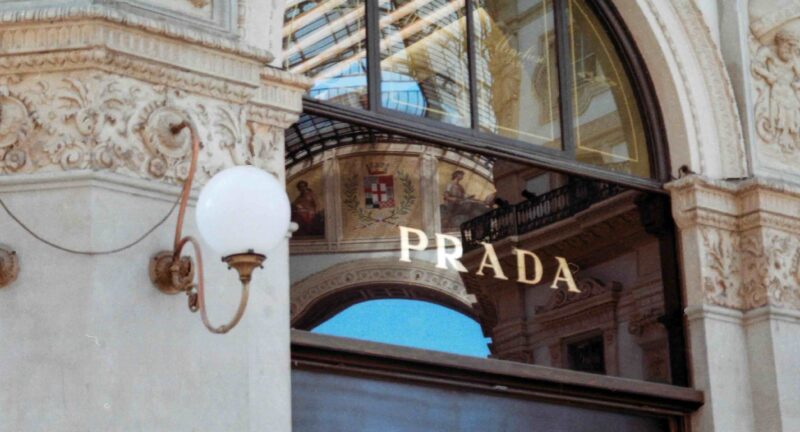
The most substantial problem can be traced back to the business model of the luxury sector, which imposes very high non-production costs that generate heavy losses if sales do not confirm the forecasted budgets, while – in terms of image – any event, even if only not positive, changes the attitude of big spenders and trend setters. The risk is not for the sector as a whole, but for those companies that make mistakes in their choices or make errors in interpreting the taste and trends of customers. Mistakes can be urgently reviewed; errors devastate the set-up of an enterprise.
Article edited by Giuseppe G. Santorsola
Full Professor Chair in Asset Management
Corporate Finance and Corporate & Investment Banking
Adjunct Professor of Finance
Università Cattolica del Sacro Cuore, Piacenza