In the exclusive world of supercars, only a few manufacturers can boast a history as complex as De Tomaso, a true blend of human and industrial stories. The genesis of De Tomaso traces back to the late 1800s when emigration from Italy to South America was widespread. A young bricklayer, seeking fortune, crossed the ocean and settled in Argentina.
His entrepreneurial spirit led him to success in construction. In his adopted homeland, his son Antonio, a major landowner, became the Minister of Agriculture. Antonio was the father of Alejandro, the celebrated founder of the De Tomaso automobile brand.
Fueled by family wealth and a passion for speed, Alejandro became a racing driver, a man with a strong temperament, a trait he never lost. He moved to Italy due to political issues in Argentina and, in 1959, established a small workshop in Modena to build prototype sports cars De Tomaso, the seed of an industrial empire. This venture would eventually see him at the helm of Maserati, Innocenti, Benelli, Moto Guzzi, Ghia, and Vignale. Iconic De Tomaso models include the Vallelunga, Pampero, Mangusta, Pantera, P70, and Guarà.
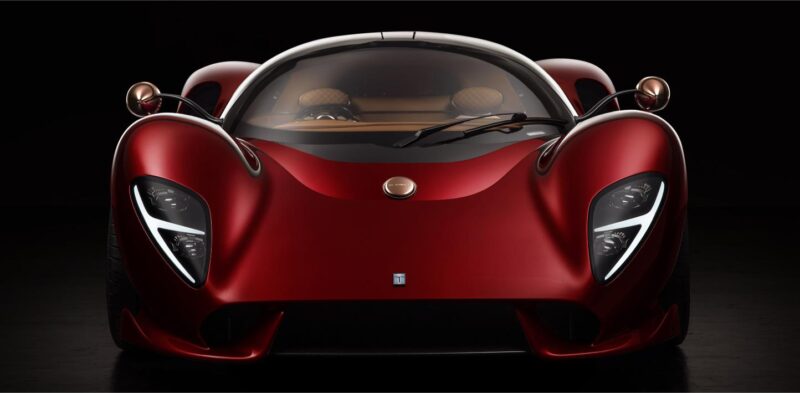
After Alejandro’s passing in 2003, De Tomaso faced a tumultuous period, culminating in its closure. Years later, it was revived with new investments and promises of significant developments, although further legal issues troubled the company. The brand’s resurgence took a more positive turn in 2015 when it was acquired by Ideal Team Ventures, laying a solid foundation for a grand relaunch.
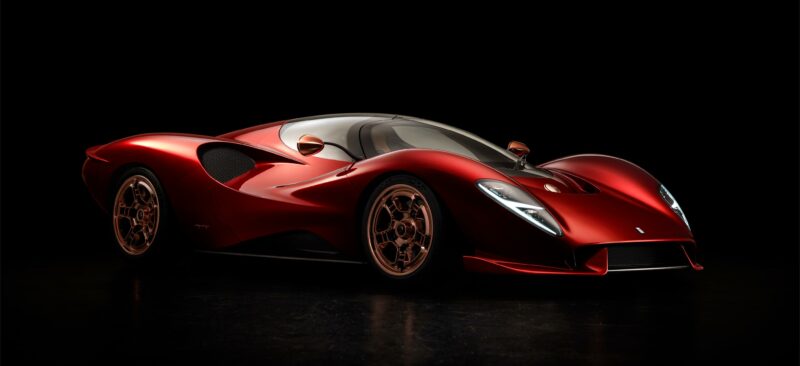
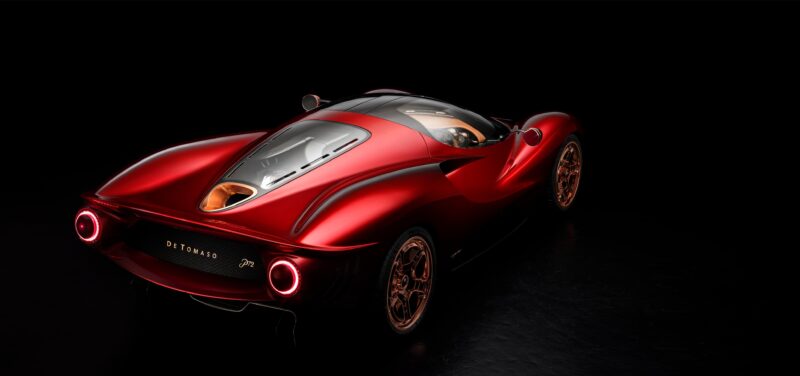
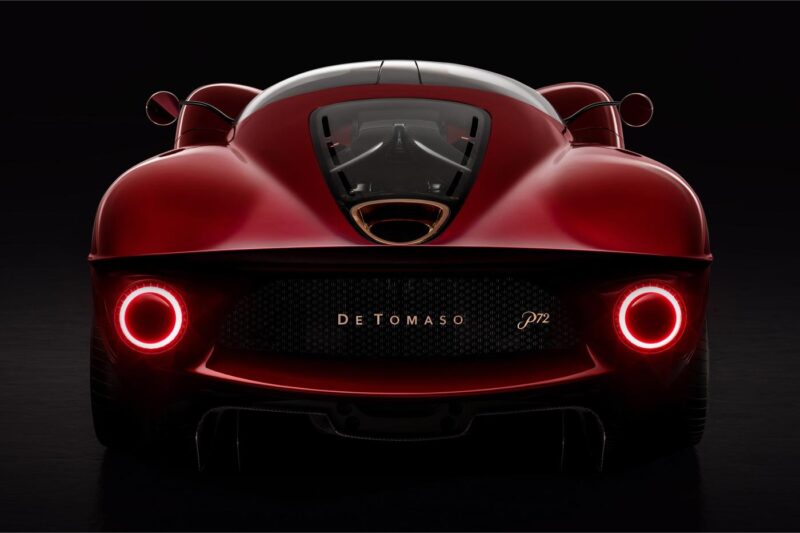
The development of the new project began with clearly defined specifications: exclusive, evocative, and an instant classic. Designed by Jowyn Wong, a functional prototype was unveiled to the world at the Goodwood Festival of Speed. With its flowing lines, the design reintroduces the concept of romantic supercars, evoking the prototype racers of Le Mans. Smooth shapes, seamlessly connected surfaces, and meticulously crafted details characterize the P72, giving it an aggressive presence from all angles. The rear end is defined by a well-integrated arched spoiler that sits above the grille and two taillights, with a convex central section where perimeter rings resemble jet fighter engines.
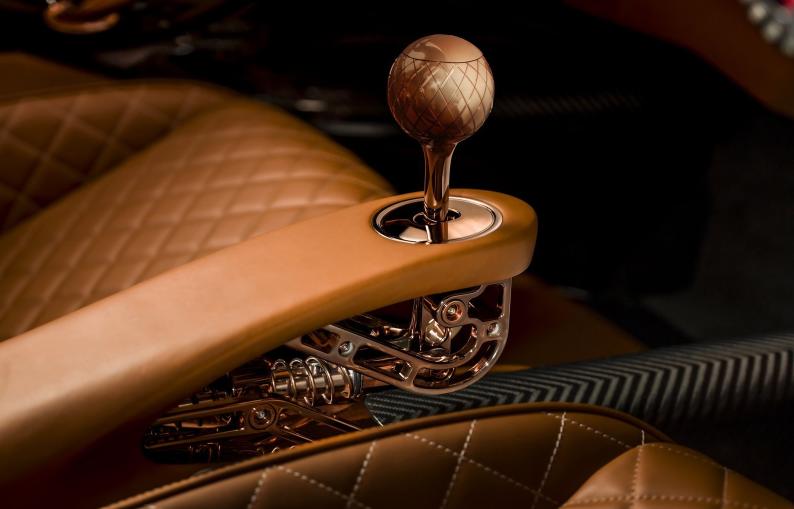
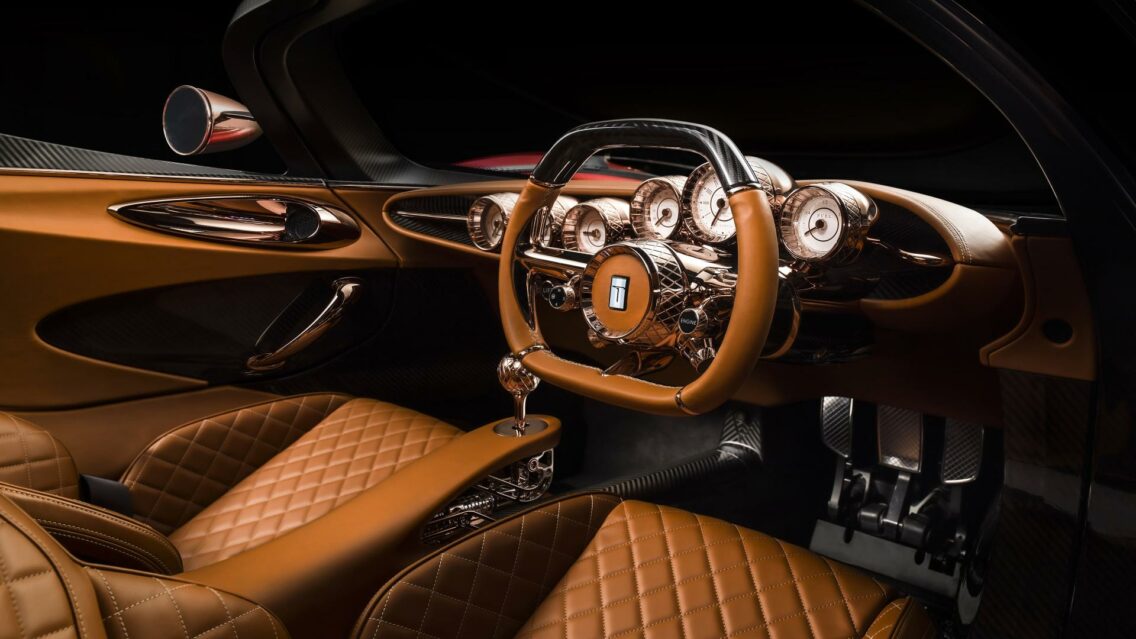
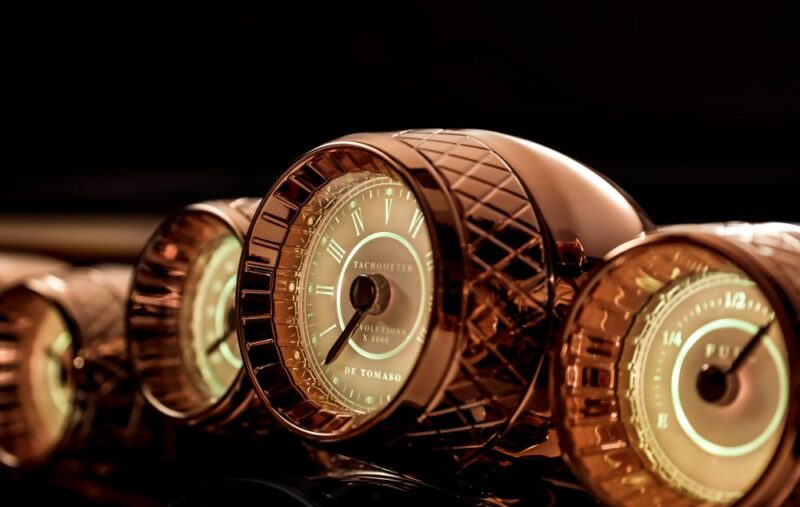
The cabin is enclosed under a glass dome, with the panoramic windscreen extending far towards the front hood, enhancing the immersive and engaging driving experience. The dihedral doors facilitate entry into a sporty yet elegant cockpit. Analogue instruments, intricately finished copper details treated like precious gems, and diamond-stitched leather upholstery crafted with artisanal care all add to the luxurious feel. Carbon fibre is extensively used in the body and chassis, significantly reducing the supercar’s weight and enhancing its performance.
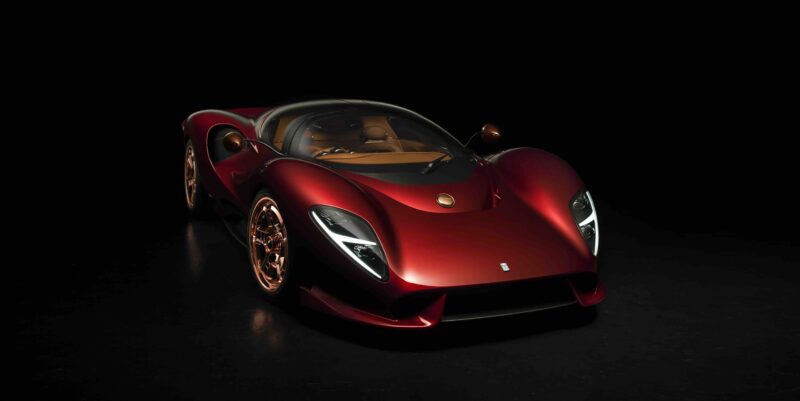
The De Tomaso P72 is powered by a Ford-derived 5.0-litre supercharged V8, tuned by Roush Performance, which delivers 750 horsepower and 900 Nm of peak torque. Production is limited to just 72 units. Recently, a track-focused evolution, the P900, was unveiled, featuring an aerodynamic package optimized for competitive driving. The P900 will house a V12 engine, with an exclusive production run of only 18 cars.
The new P72 links to the historic P70 barchetta, which Alejandro De Tomaso developed alongside Carroll Shelby in 1964. The modern supercar embodies the spirit of that legacy, paying homage to and elevating De Tomaso’s rich and significant past.
Article edited by Antonio Erario