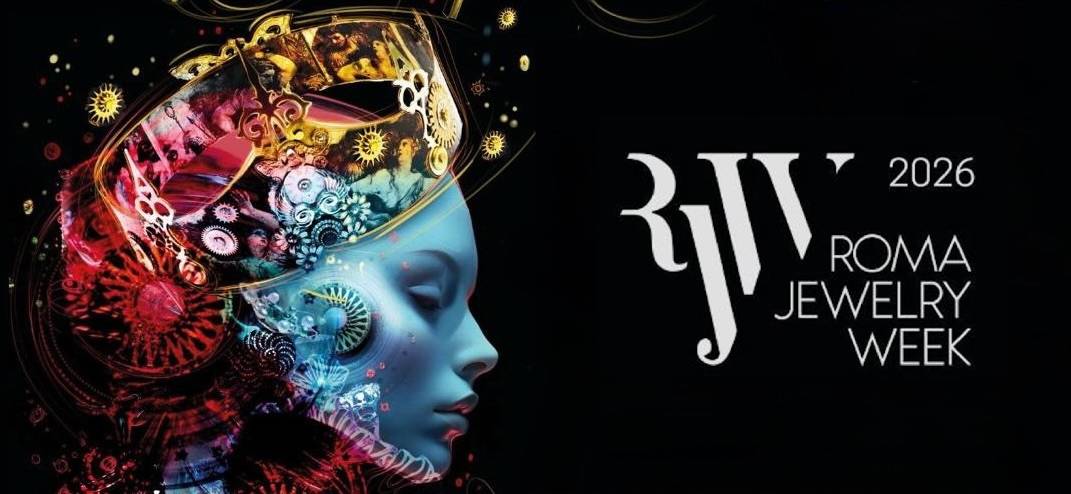
Rome once again becomes an international stage for contemporary jewelry with the sixth edition of Roma Jewelry Week (RJW), the citywide event conceived and directed by architect and curator Monica Cecchini.
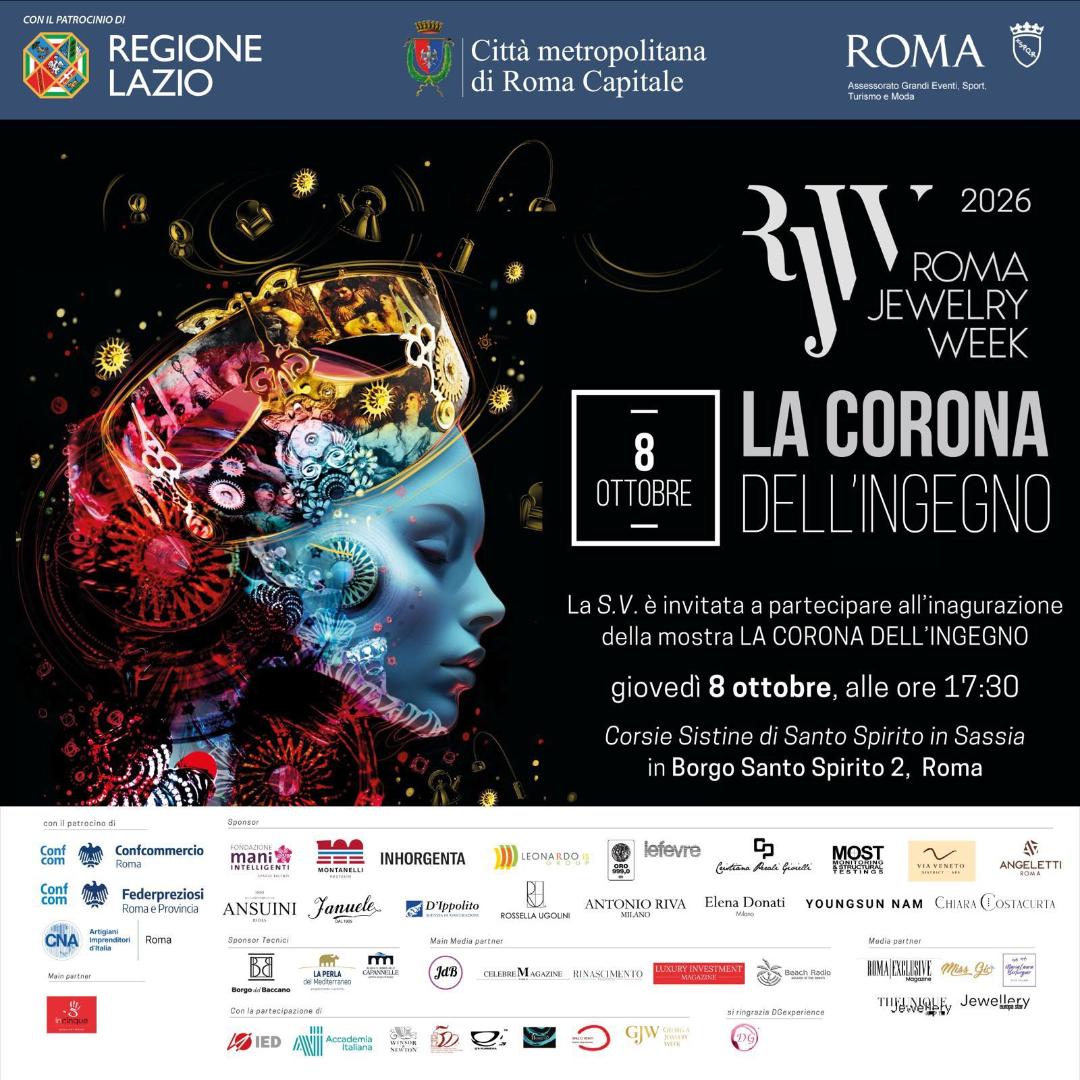
Running until October 11, the 2026 edition brings together more than 130 goldsmiths, jewelry designers and contemporary jewelry artists from countries including Italy, Mexico, South Korea, Costa Rica, Brazil, China, Romania, Bulgaria, Armenia, Thailand, Iran and Lebanon. Rather than concentrating on a single venue, RJW unfolds across Rome through exhibitions, workshops, talks, awards, performances and encounters with schools, institutions and historic ateliers.
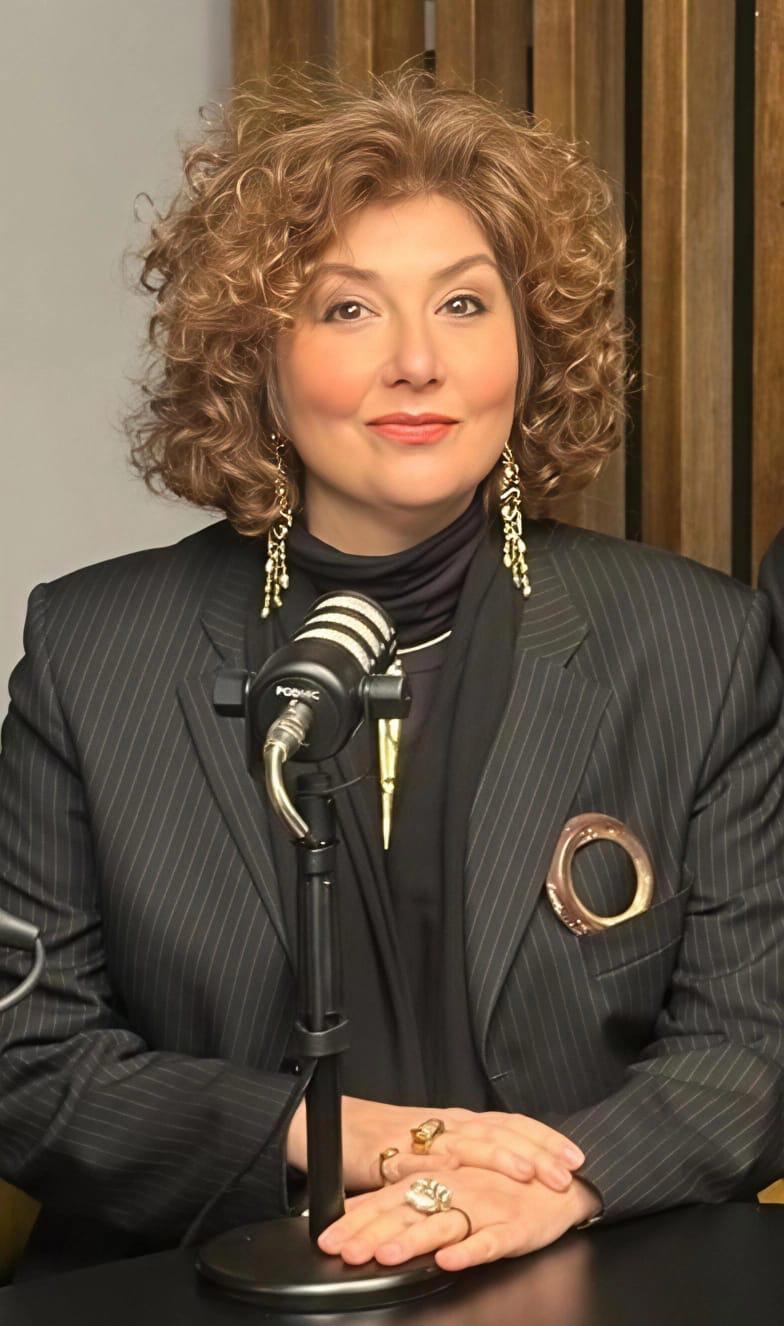
Monica Cecchini
At its core is a broad definition of jewelry: not simply adornment, but a field where craftsmanship, artistic research, technology, cultural memory and experimentation intersect. The official RJW platform itself stresses this dialogue between contemporary creativity and innovation on one side, and traditional goldsmithing techniques on the other. That philosophy feels particularly fitting in Rome, a city where jewelry has always existed in close proximity to architecture, painting, sculpture and the decorative arts.
Incinque Open Art Monti: Fine Jewelry Meets Contemporary Art
A major moment arrived on October 2 at Incinque Open Art Monti, in the historic Rione Monti. The gallery brought together its Resident Artists and the winners of the Fine Jewelry category of the Premio Incinque Jewels 2025, Alberto Anderle and Antonio Moramarco, whose work represented two distinct approaches to contemporary Italian goldsmithing united by attention to material, craftsmanship and individual artistic language.
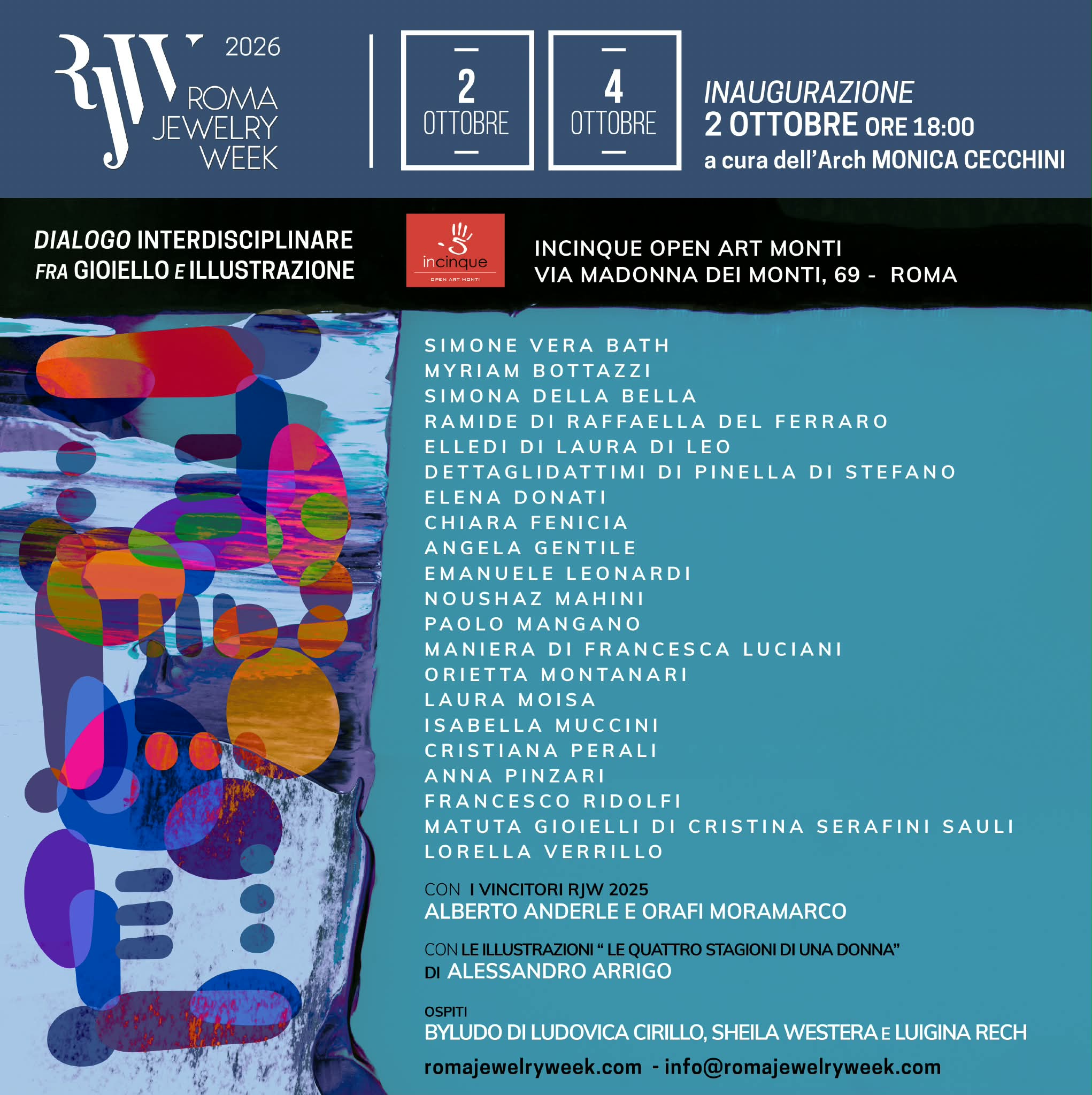
The exhibition also reinforced Incinque’s role not simply as a display space but as a laboratory for contemporary jewelry, where artistic research and traditional goldsmithing can coexist. The October 2 opened also introduces Alessandro Arrigo’s “Le Quattro Stagioni di una Donna” — “The Four Seasons of a Woman”, a visual exploration of the feminine universe through the metaphor of changing seasons.
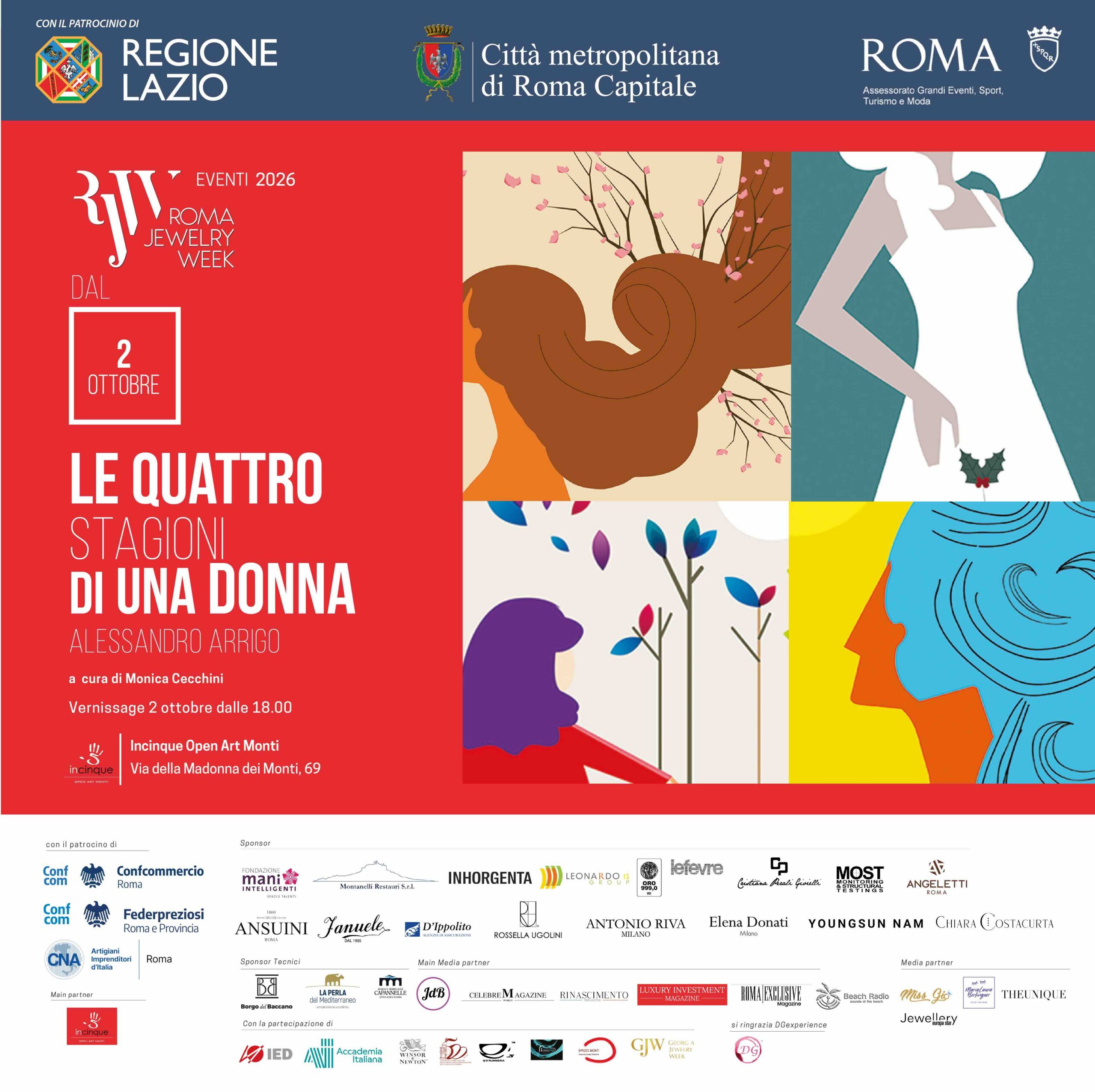
The Four Seasons of a Woman – Alessandro Arrigo
The gallery will also feature contemporary jewelry by ByLudo and Sheila Westera, alongside the work produced by students of the Roman micromosaic course organized by Roma Jewelry Week in collaboration with Accademia Italiana and led by Master Luigina Rech, the renowned micromosaicist artist.
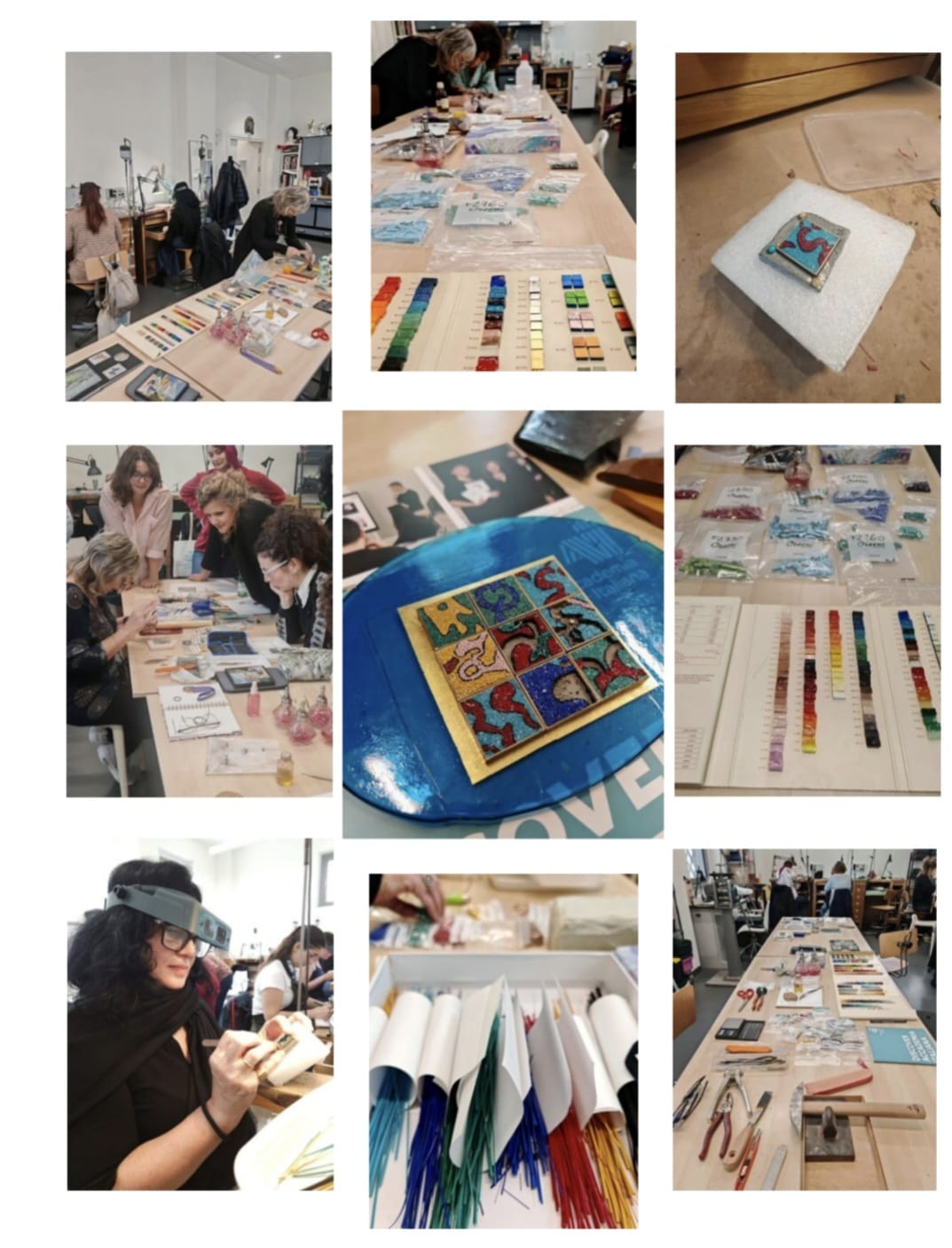
Micromosaic course
The juxtaposition is revealing: fine jewelry, contemporary experimentation, micromosaic, and visual art share the same space, showing how increasingly fluid the boundaries of contemporary jewelry have become.
A Jewelry Trail Across Rome
Beyond the main exhibitions, RJW develops through a series of routes linking contemporary practices to the city’s historic craft culture. This geographical spread is central to the identity of the event: rather than extracting jewelry from its working environment and placing it solely inside an exhibition hall, Roma Jewelry Week invites visitors into the places where jewelry is designed, forged, taught and discussed.
The Corsie Sistine: The Heart of RJW 2026
The central chapter of Roma Jewelry Week takes place from October 8 to 11 at the Corsie Sistine of Santo Spirito in Sassia, one of Rome’s most extraordinary monumental settings. Here, more than 130 artists, designers and goldsmiths from Italy and abroad come together in an exhibition conceived as a meeting point between generations, cultures and different jewelry languages. Tourism authorities in Rome list the Corsie Sistine as the principal venue for the October 8–11 program. The 2026 theme is “La Corona dell’Ingegno. Il gioiello come racconto dell’arte e della cultura italiana degli ultimi 80 anni” — “The Crown of Ingenuity: Jewelry as a Narrative of Italian Art and Culture over the Last 80 Years.” The concept also resonates with the 80th anniversary of the Italian Republic, placing craftsmanship, technical intelligence and creative invention at the center of a broader reflection on Italian cultural identity.
Premio Incinque Jewels
Among the highlights is the Premio Incinque Jewels, founded in 2019 and divided into the categories Fine Jewelry and Experimental Jewelry.
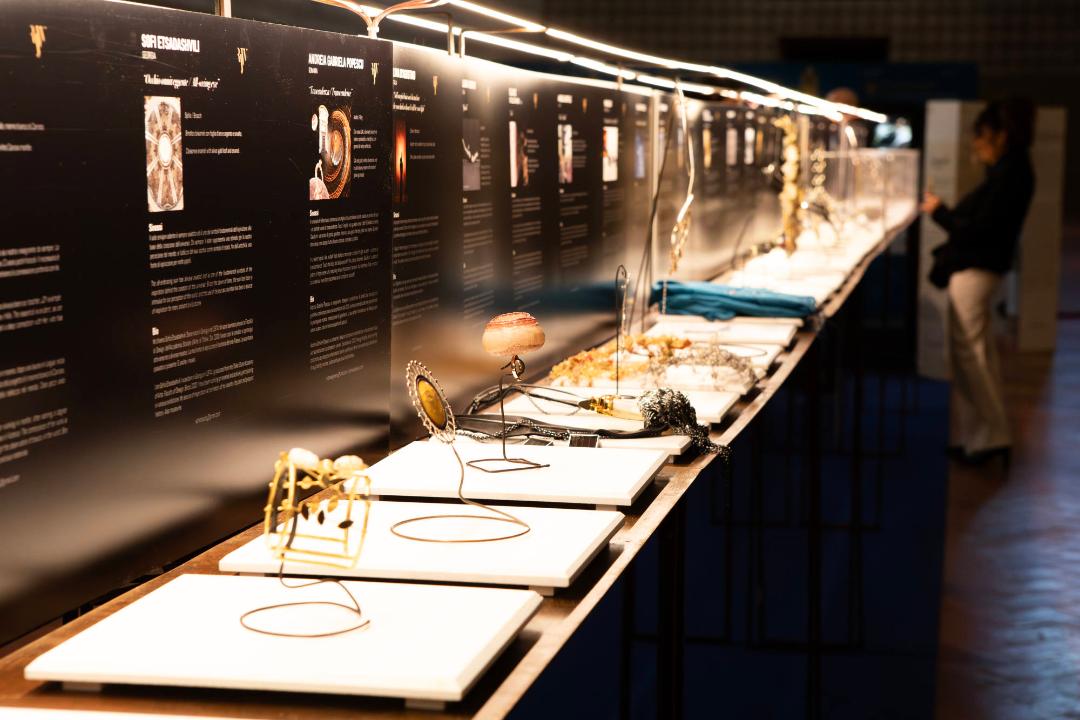
The Award has gradually become one of the key platforms within RJW for supporting designers and artists while creating opportunities for exhibition and international visibility. The 2026 jury brings together professionals from jewelry, design, criticism and media, including: Laura Astrologo Porchè / Alessio Boschi / Barbara Brocchi / Elisabetta Cipriani / Alessia Crivelli / Paola De Luca / Michele Forlenza / Emanuele Leonardi / Paolo Mangano / Matilde Pavone / Giuliano Percossi Papi / Bryna Pomp / Loredana Prosperi / Aldo Vitali / Giorgia Zoppolato / Sally Xiong.
Additional prizes connect RJW with other international platforms, including an Inhorgenta Award, offering a young designer the opportunity to participate in Inhorgenta 2027.
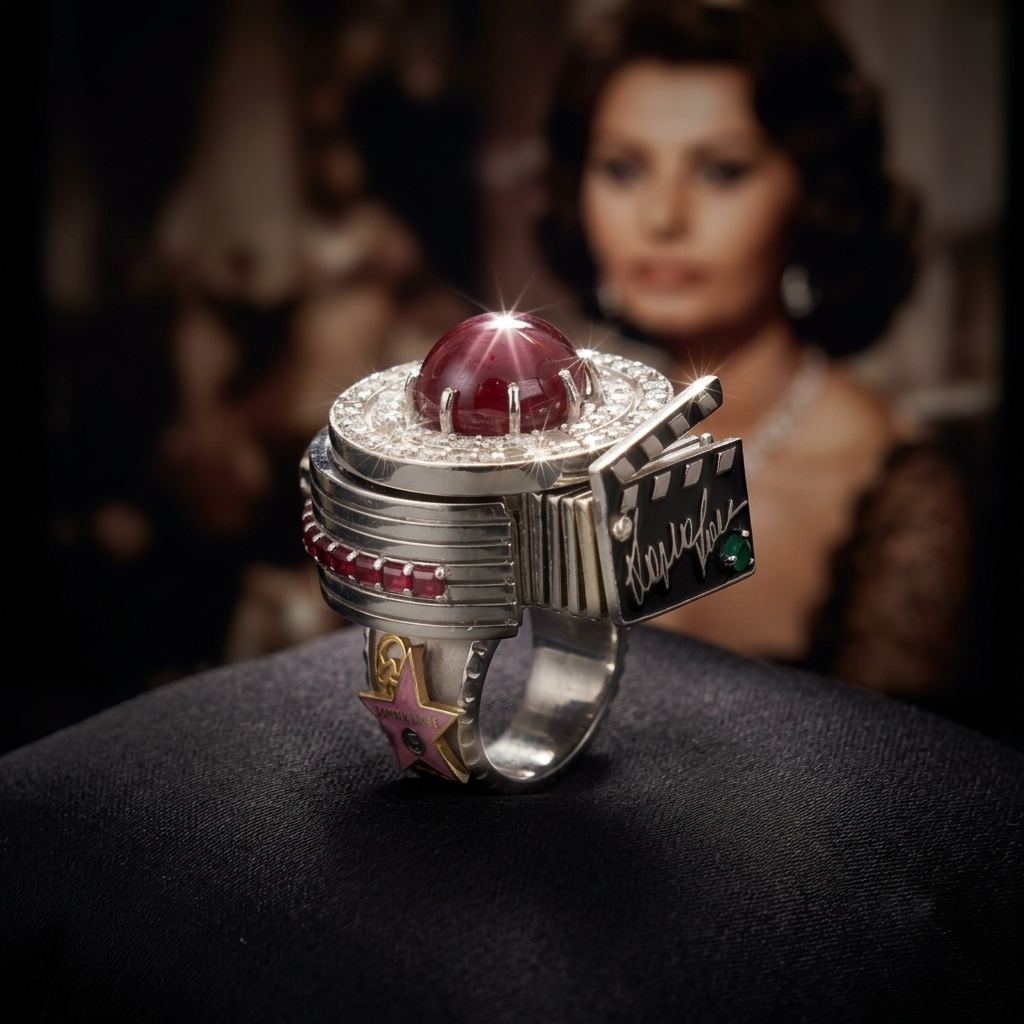
Hani Bayoun
Aurea Roma: Jewelry in Dialogue with Art
One of the strongest curatorial ideas of the 2026 edition is Aurea Roma, an interdisciplinary project conceived by Monica Cecchini. The premise is deceptively simple: jewelry designers and goldsmiths collaborate with practitioners from other creative fields, including painting, sculpture, architecture, street art, music and cinema, to develop a single iconic jewel through a shared creative process. Among the pairings are Glauco Cambi with Maupal, Antonio Fontana with Tommaso Cascella, Paolo Mangano with Paolo Canevari, Luigina Rech with Michelangelo Pistoletto, and Matteo Vitali with Lucamaleonte.
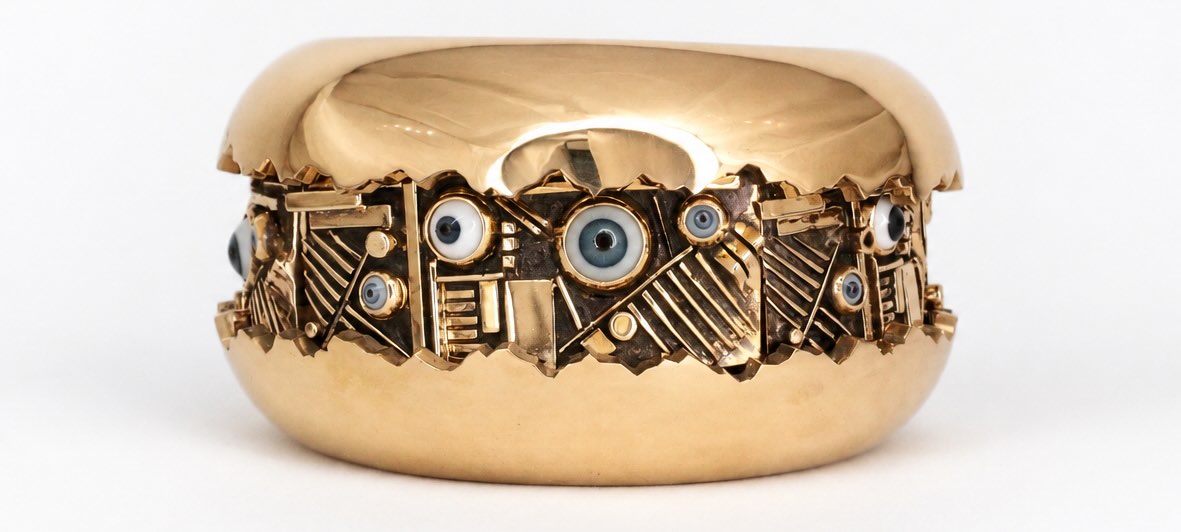
Livia D’Agostino
One particularly emblematic collaboration brings together Percossi Papi and painter Emiliano Alfonsi in Il Dialogo delle Arti, a project inspired by the Renaissance relationship between painting and goldsmithing and by the journey of painter Benvenuto Tisi, known as Garofalo. The project translates memory, symbols and Renaissance references into jewelry, painting and miniature art. The global scope of RJW is also reflected in the presence of schools, academies and companies from Europe, Asia and Latin America. Participating educational institutions include IED Roma, Accademia Italiana, Minoss Jewelry Academy from South Korea, Patrizio Rocchi Italian Design School from Costa Rica, Beijing Institute of Fashion Technology and Assamblage School from Romania. The Chinese presence is particularly significant this year, with companies and organizations from Shenzhen including Shenzhen MEMORA Jewelry, Jingwei Chi, Zhou Liu Fu Jewellery and The King’s Dream, creating further opportunities for exchange between the Italian and Chinese jewelry sectors.
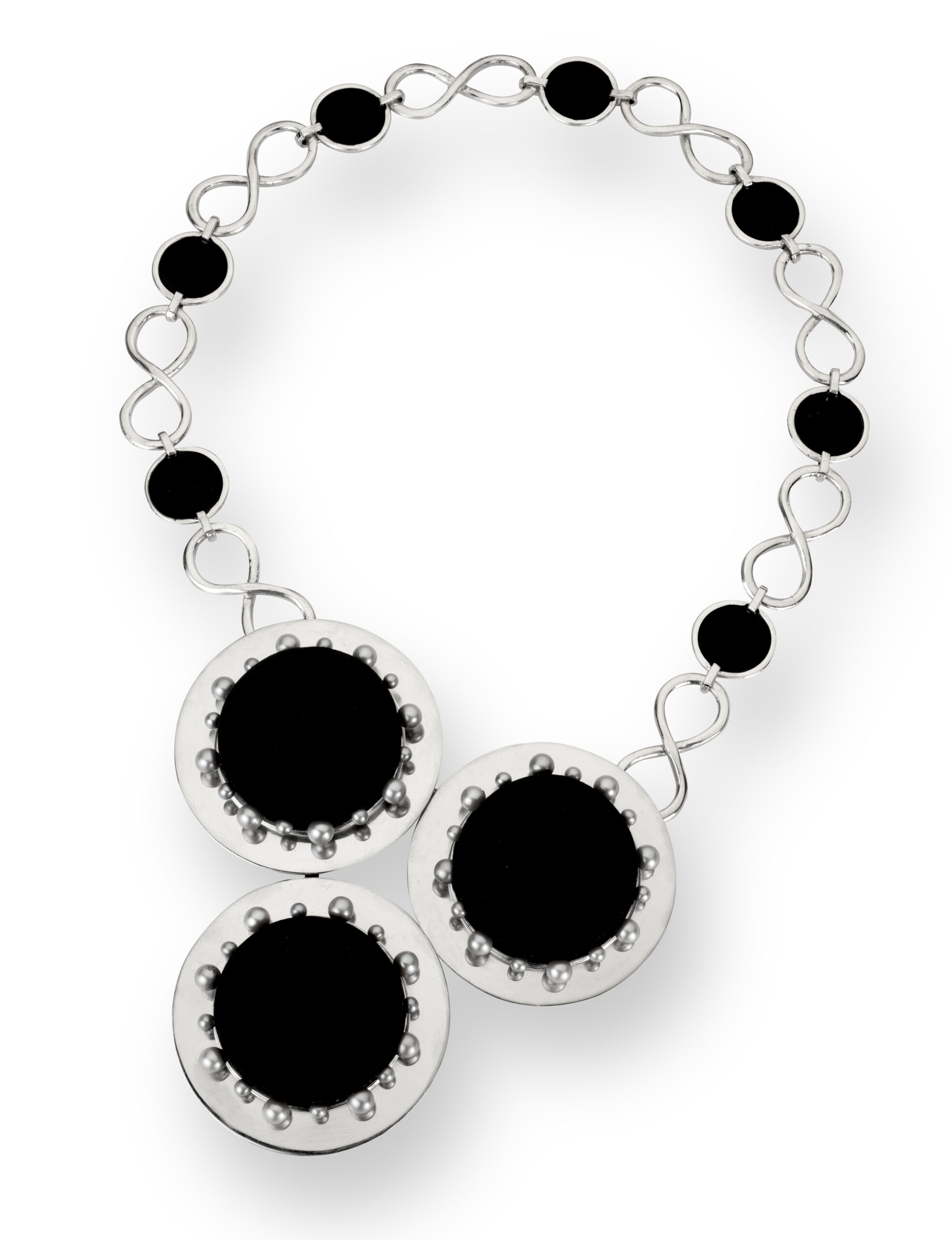
Paolo Mangano
Talks and International Dialogue
The cultural program at the Corsie Sistine will also feature a series of talks bringing together leading voices from contemporary jewelry, design, art and education. Several of these conversations will be moderated by international jewelry journalist and media consultant Laura Astrologo Porché, with speakers including Giampaolo Della Croce, Tania Chan, Loredana Prosperi and Amedeo Scognamiglio. Other talks and presentations will feature Alessio Boschi, Antonio Fontana, Giuliano Percossi Papi, Bianca Cappello, Lucia Ajello, Sofia Gnoli, Elisabetta Cipriani and Ciga Long. The program will also welcome representatives of the Embassy of Georgia, Patima Kakhniashvili and Neno Gabelia, who will present Georgia Jewelry Week, adding another layer to RJW’s increasingly international network. The dialogue between disciplines continues with Ritratti Musicali, a project by composer, jazz pianist and conductor Klaus Bellavitis. Unique jewelry pieces created by Incinque resident artists incorporate a QR code which gives access to a musical composition specifically created for each work, transforming the jewel into a physical gateway to a parallel sound portrait.
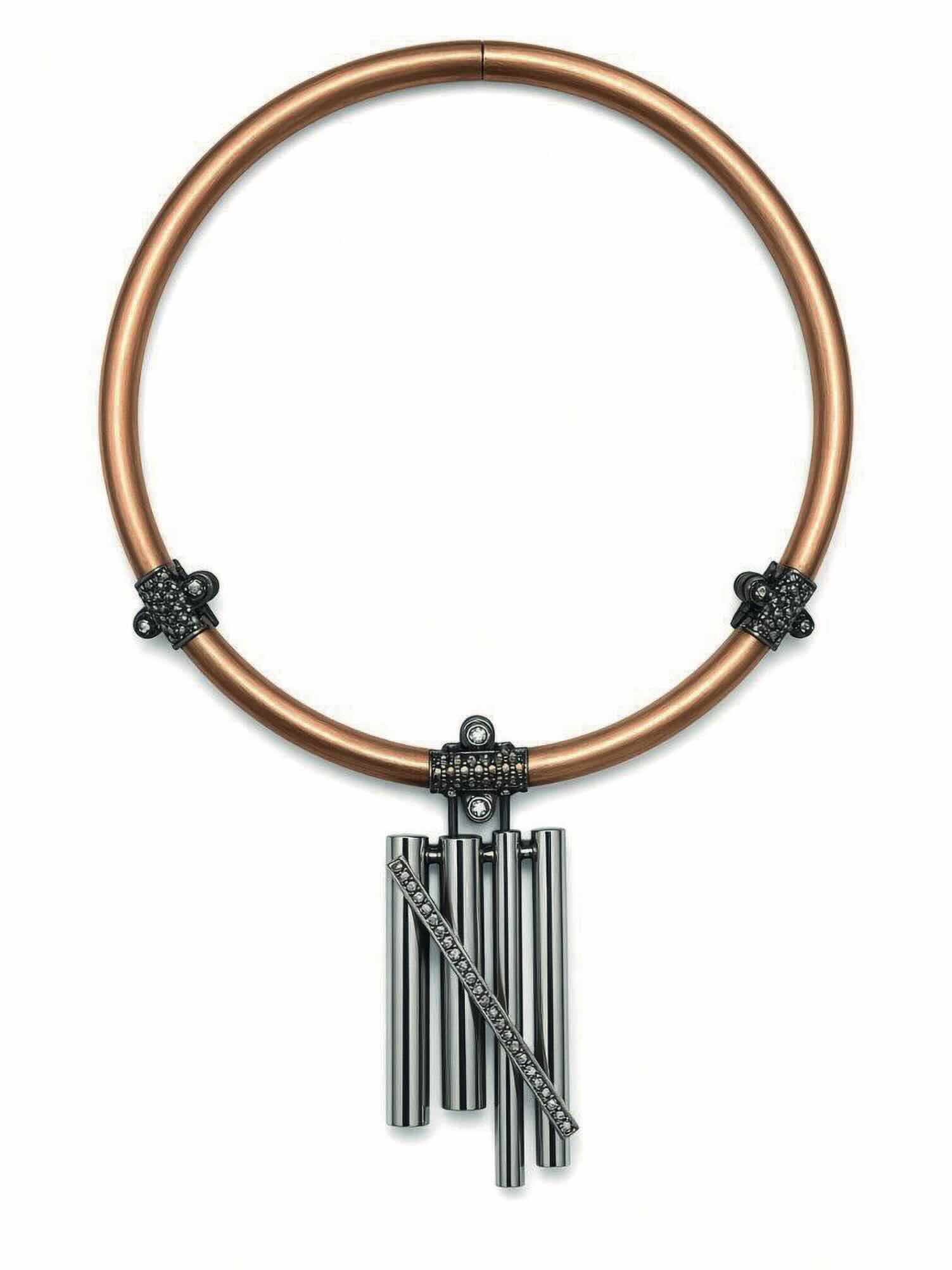
Cristiana Perali
The concept is particularly relevant to the evolution of contemporary jewelry: an object no longer has to end at its physical surface. It can become narrative, digital interface and emotional archive. What makes Roma Jewelry Week distinctive is perhaps not simply its size but its refusal to isolate jewelry from the larger artistic ecosystem around it. Painting, architecture, fashion, music, micromosaic, contemporary art and traditional goldsmithing continuously intersect throughout the program. Through this combination of heritage and experimentation, Roma Jewelry Week 2026 presents jewelry not merely as a precious object, but as a cultural language capable of connecting craftsmanship, identity, art and contemporary society.
Here, the past is not treated as something to preserve behind glass. It becomes material to work with.
Article edited by Laura Astrologo Porché
Instagram @journaldesbijoux

 By mb@admin