Held from January 25th to February 1st, 2026, this year’s Brafa Art Fair did not rely solely on its seven decades of history; rather, it leveraged that prestigious legacy to propel itself resolutely into the future. Under the chairmanship of Klaas Muller, who steered the ship for his second consecutive year, BRAFA 2026 asserted its dominance as a barometer for the European art market, delivering a masterclass in quality, diversity, and atmospheric elegance. The fair, which occupied Halls 3, 4, and 8 of the Brussels Expo, was a bustle of activity from the opening moment. The 2026 edition was widely hailed as an unmissable event, drawing a loyal and diverse international audience that seemed to surpass even the impressive attendance figures of previous years. The success of the fair was rooted in its unique formula of eclecticism, seamlessly blending ancient, modern, and contemporary art in a way that few other global fairs manage to achieve with such poise.

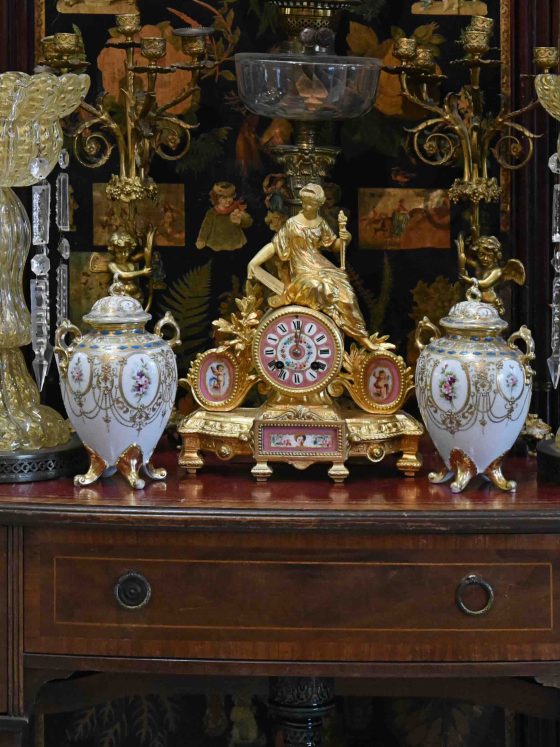
The sheer scale of the event was a testament to its enduring appeal. Nearly 150 galleries hailing from 19 different countries transformed the exhibition space into a labyrinth of treasures. The selection ranged from Old Master paintings and exquisite decorative arts to rare books, jewellery, carpets, and cutting-edge contemporary design. However, it was the rigour of the selection process that truly underpinned the fair’s commercial and critical success. Before the public opening, every single piece on display had been subjected to intense scrutiny by a committee of approximately 100 international experts. This scientific vetting process ensured the authenticity, quality, and provenance of the works, giving collectors the confidence to make significant acquisitions. This dedication to quality ensured that BRAFA remained not just a marketplace, but a curatorially sound environment that reflected the true vitality of the art sector.

A central pillar of this year’s triumph was the celebration of Belgian heritage, anchored by the presence of the King Baudouin Foundation as the guest of honour. Marking its 50th anniversary, the Foundation curated a display that was nothing short of spectacular, offering visitors a rare glimpse into the nation’s cultural soul. The Foundation’s enlarged stand became a pilgrimage site for art lovers within the fair. It showcased an array of masterpieces entrusted to Belgian museums and public collections, creating a dialogue between eras and media. Highlights included a striking bracelet by Pol Bury, which sat in conversation with a devout figure of Christ by Willem Key. Textile arts were represented by a magnificent tapestry by Elisabeth De Saedeleer and a unique coat fashioned from Brussels lace, reminding visitors of the region’s artisanal history. Perhaps most arresting were the iconic historical works, such as Jan Baptist Bonnecroy’s sweeping panoramic view of Brussels and the Holy Blood banner. The Gallic Treasure of Thuin also drew crowds, offering a tangible link to the ancient past. Melanie Coisne, the Head of the Heritage & Culture Programme, had noted before the event that BRAFA was a wonderful opportunity to share these treasures. In retrospect, her vision was fully realised; the presentation did indeed inspire and engage the public, successfully showcasing the Foundation’s commitment to preserving heritage while promoting culture.

The 2026 edition also triumphed due to its reimagined scenography. Recognising the needs of a dynamic and expanding fair, the organisers implemented a new layout that significantly improved the visitor flow. Halls 3 and 4 were dedicated entirely to the art, allowing for an immersive viewing experience without distraction. Meanwhile, a newly designated space in Hall 8 was transformed into a culinary destination. Here, visitors indulged in a variety of high-quality dining options, ranging from classic brasserie fare to fine Italian cuisine and sushi. This separation of art and leisure allowed for a more relaxed atmosphere, fostering the unique blend of professionalism and conviviality that BRAFA is renowned for.

The Swiss Contribution has been great. Six Swiss galleries graced the fair, including two notable newcomers that injected fresh energy into the proceedings. Almine Rech made a splash with a specialisation in contemporary art, leveraging its global presence from Gstaad to Shanghai. The Geneva-based CKS Gallery was the other debutant, presenting a compelling range of works from Impressionism and post-war art to contemporary pieces. Returning Swiss heavyweights also reported strong interest. Repetto Gallery from Lugano showcased Italian post-war art, Arte Povera, and Land Art, while Zurich’s Galerie von Vertes presented a curated selection of modern and contemporary works. The diversity of the Swiss contingent was rounded out by De Jonckheere Gallery’s Old Masters and Objects With Narratives, which blurred the lines between functional art and collectable design.

As the artworks were created and the lights dimmed on February 1st, it was clear that BRAFA 2026 had set a new benchmark. The combination of verified quality, a celebration of heritage through the King Baudouin Foundation, and a slick, visitor-friendly organisation resulted in a fair that was both commercially potent and culturally enriching. By honouring its past while resolutely looking to the future, BRAFA 2026 confirmed its status as one of the most prestigious and essential fixtures on the global art calendar.
Discover more @ Brafa Art Fair
Article edited by Stefania Abbruzzo