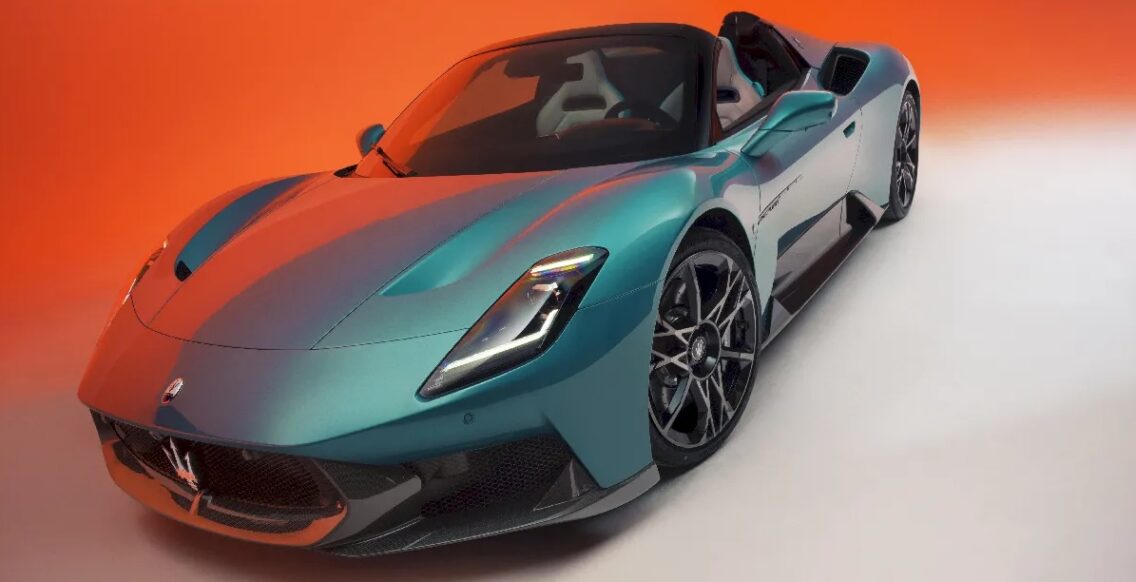
In a time where performance is increasingly distilled through the lens of electrification and silence, Maserati’s MC Pura arrives as a whisper of something older, yet utterly new. This supercar is the kind of car that is not made through noise, but through presence. And what a presence it has. The name itself, “Pura”, speaks volumes. It’s Italian for “pure”, and in the MC Pura, Maserati attempts a return to a kind of mechanical honesty long thought lost to regulation and reason. It harks back to the great racing lineage of the marque, echoes of the Birdcage, the Tipo 61, and, more recently, the MC12, can be felt in its proportions, its stance, and its intent. But this is no retro pastiche. This is a machine built for now, with eyes firmly set on tomorrow.
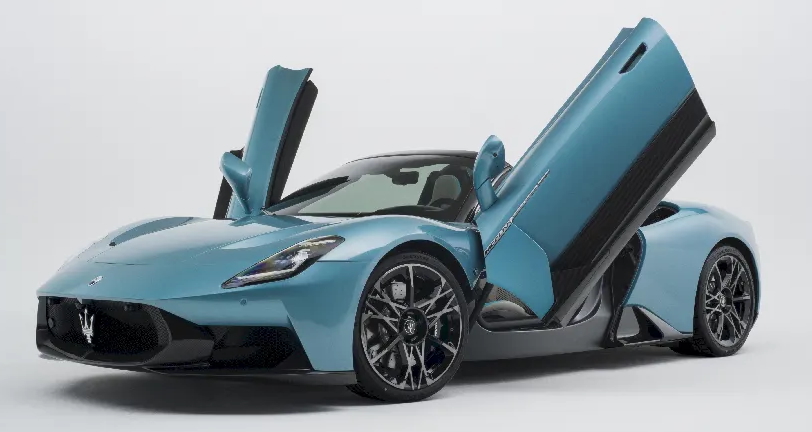
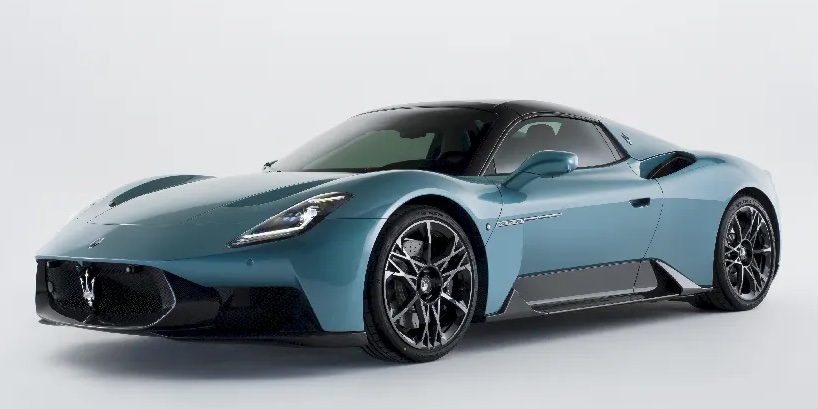
Visually, the MC Pura strikes a near-perfect balance between aggression and restraint. The silhouette is sculptural, with tension in every surface, curves that recall the elegance of Modena’s finest, countered by the aerodynamic necessities of a track-born predator. The front end is clean yet menacing, its grille flanked by razor-sharp LED clusters, the trident gleaming with quiet defiance. From the side, the car seems coiled, ready to spring, the bodywork wrapping tightly over the haunches and tapering to a rear that’s all business, a subtle diffuser, quad exhausts, and just the suggestion of a spoiler integrated into the deck.
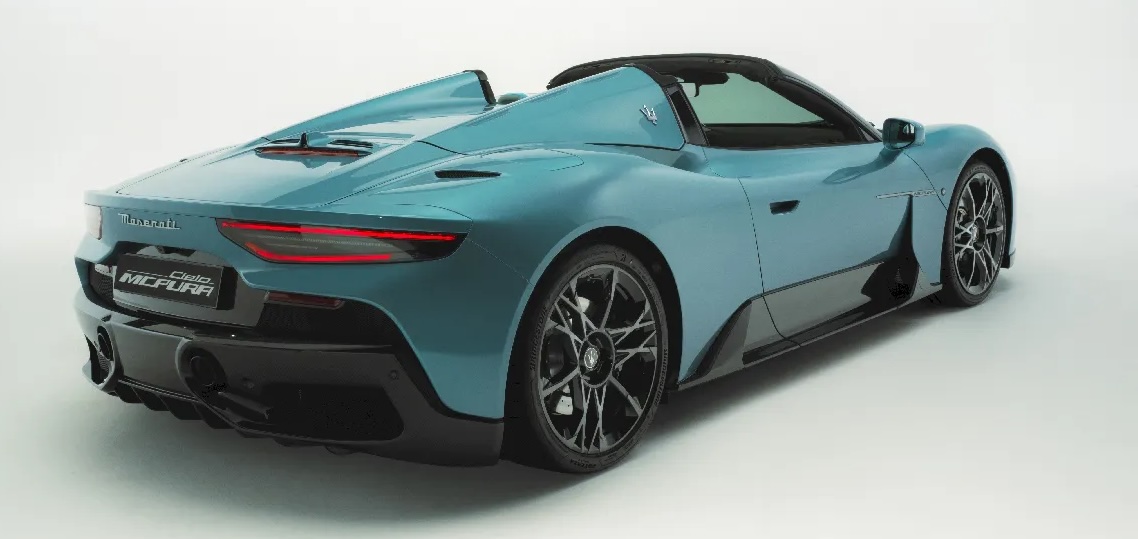
But form, in this instance, does not betray function. Beneath the composite skin lies a carbon fibre monocoque chassis, light, stiff, and obsessively engineered. The engine (a twin-turbocharged 3.0-litre Nettuno V6) is a work of art in its own right, delivering a furious blend of response and refinement. Borrowed and reworked from the MC20, it produces power figures that blur into abstraction when considered alongside the car’s weight and aerodynamic efficiency. Zero to sixty is dispatched in under three seconds, and yet the MC Pura doesn’t shout about it. It breathes it, lives it, but never brags.
Inside, the cockpit is a study in minimalism, executed with a kind of quiet confidence that feels uniquely Italian. Leather and Alcantara abound, but never to excess. Every switch, every dial, every stitch has its place. The digital displays are crisp and purposeful, yet the soul of the car is still felt in the weight of the steering, the feedback of the pedals, and the slightly imperfect texture of a metal paddle behind the wheel. One does not pilot the MC Pura; one converses with it.
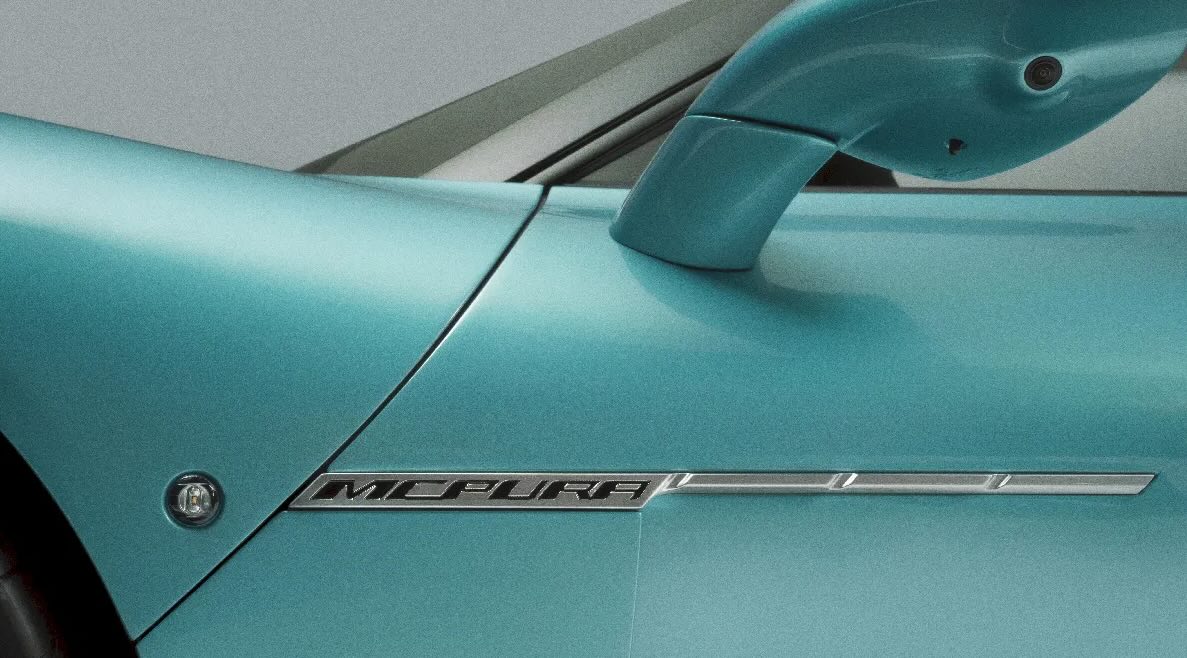
Perhaps what’s most remarkable, though, is the sense that this car was built with restraint. In an age where supercars are often over-styled, overpowered, and ultimately overcomplicated, the MC Pura feels distilled, almost monastic. Maserati could have filled it with gimmicks, but chose instead to let the fundamentals sing. Steering feel. Throttle response. Weight balance. It is, in the purest sense, a driver’s car.
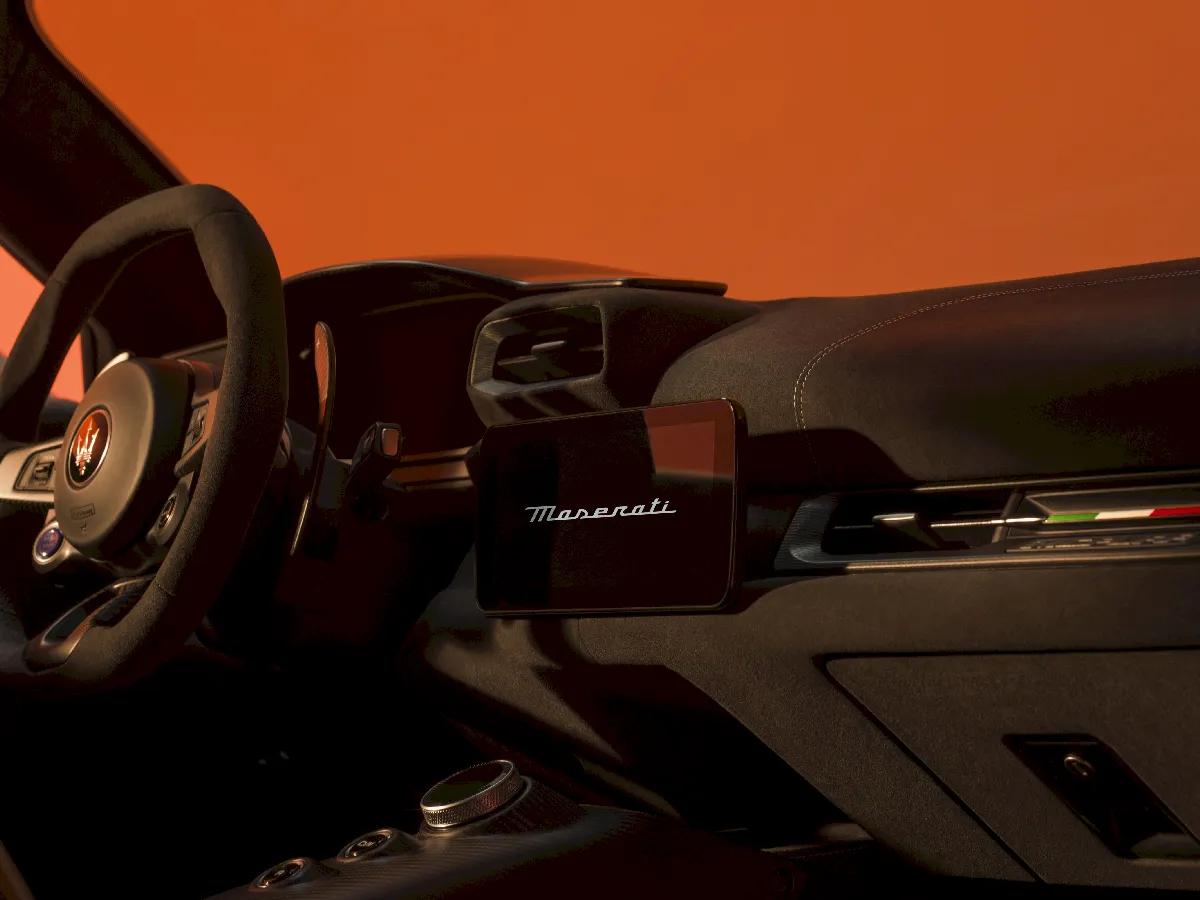
Of course, it’s not perfect. The infotainment, while competent, lacks the polish of its German rivals. Some will find the ride too firm for daily use. And there are those who will argue, perhaps with some justification, that the days of petrol-powered purity are numbered. But to drive the MC Pura is to understand what will be lost when the last engine falls silent.
Maserati MC Pura feels like a pure supercar for those who still believe in the romance of the road, in the value of mechanical soul, in the poetry of speed. It reminds us, with unflinching clarity, that not everything worth building needs to be silent, or self-driving, or surgically perfect.
Article edited by Karl Webber