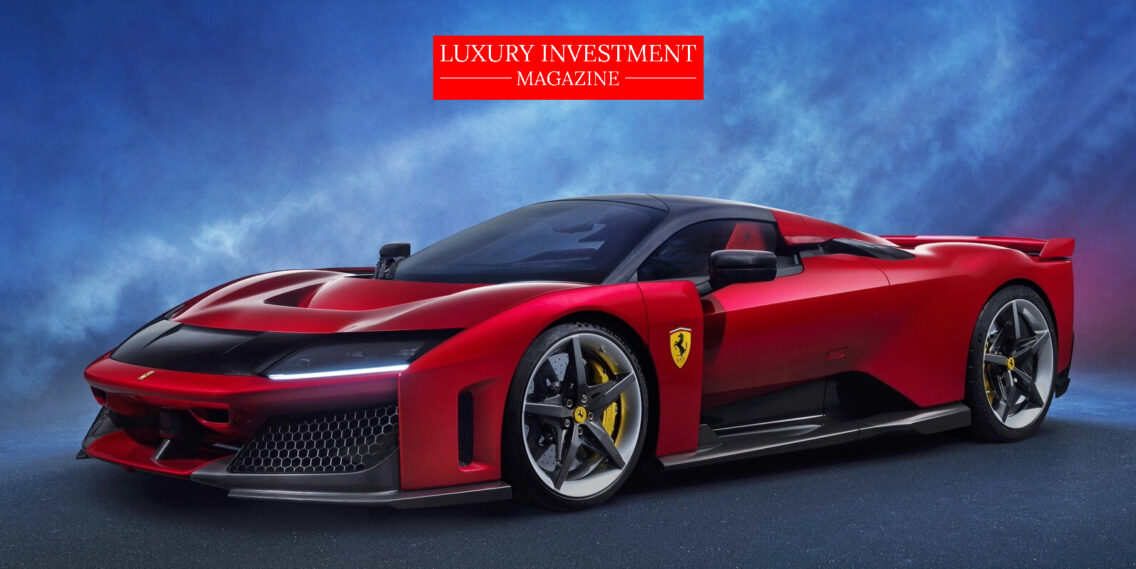
The Ferrari name has always been synonymous with speed, luxury, and groundbreaking innovation. With every new release, the Italian automaker continues to push the limits of automotive engineering and design. Ferrari enthusiasts worldwide are captivated by the latest arrival from Maranello: Ferrari F80. This car redefines speed and introduces a bold vision for the future of performance vehicles.
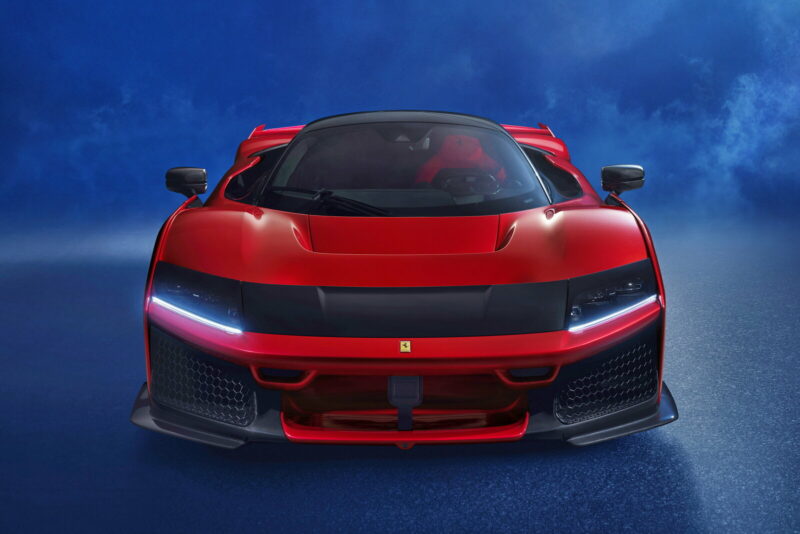
Ferrari’s legacy is built on a foundation of iconic cars, from the Ferrari 250 GTO of the 1960s to the modern-day LaFerrari. Each model represents a milestone in automotive history, blending cutting-edge technology with an unmistakable passion for racing. The F80, the newest addition to this lineage, promises to carry the torch of Ferrari’s illustrious past while blazing a new trail into the future.
At the heart of the Ferrari F80 is an engineering masterpiece: a twin-turbocharged 4.0-liter V8 engine that delivers an astonishing 800 horsepower. Paired with Ferrari’s latest hybrid technology, this powerhouse engine allows the F80 to reach breakneck speeds while maintaining superior efficiency. The hybrid system, derived from Ferrari’s racing expertise, adds 300 horsepower, pushing the total output to a staggering 1,100 horsepower. This incredible performance enables the F80 to go from 0 to 100 km/h (62 mph) in just 2.2 seconds, placing it among the fastest cars ever built by Ferrari. With a top speed of over 360 km/h (224 mph), the F80 is a marvel of aerodynamics and precision engineering.
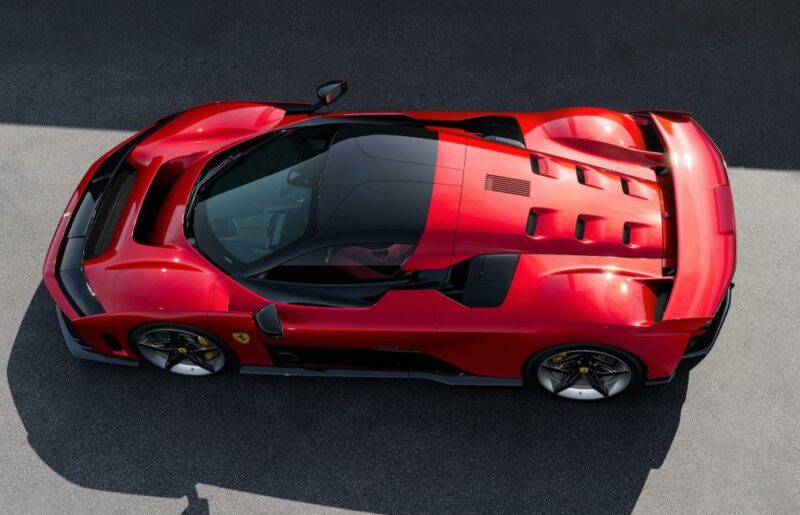
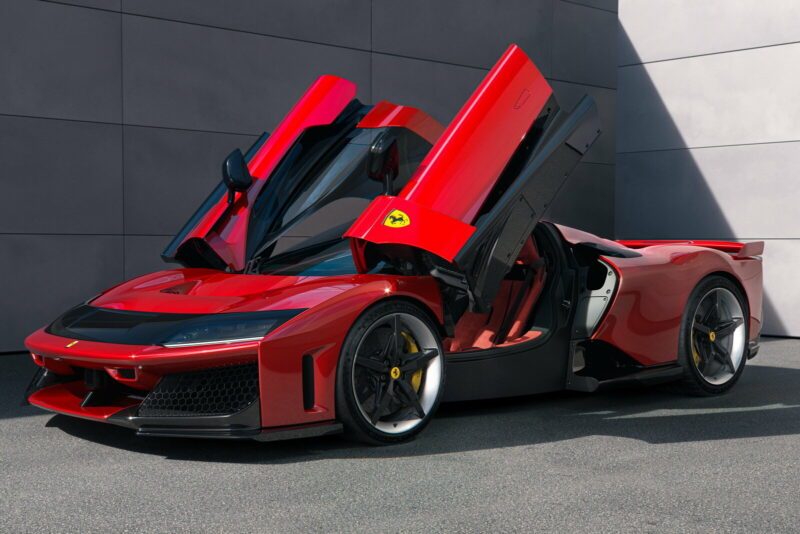
One of the most striking features of the Ferrari F80 is its design, which blends futuristic aesthetics with functional aerodynamics. Every curve and every line on the car has been meticulously crafted to maximize downforce while minimizing drag. The sleek, low-slung body confirms Ferrari’s commitment to performance. The F80 features an active aerodynamics system, which includes a rear wing that adjusts dynamically based on driving conditions. This technology, combined with advanced lightweight materials such as carbon fibre, allows the car to achieve exceptional handling and stability, even at high speeds.
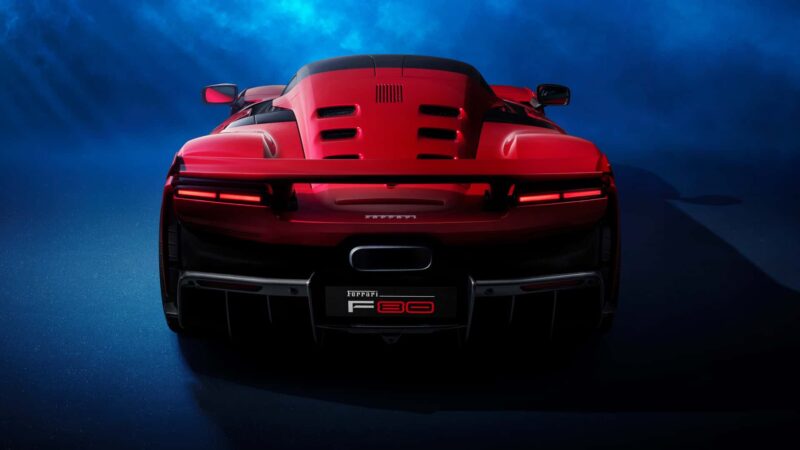
Ferrari’s commitment to hybrid technology is not just a nod to environmental concerns but a calculated move towards the future of high-performance cars. The hybrid system in the F80, which includes a sophisticated energy recovery system, allows the car to harness kinetic energy during braking and convert it into electrical power. This stored energy is then used to provide an extra boost during acceleration, improving efficiency and performance. While hybrid technology has often been associated with efficiency rather than speed, Ferrari’s engineers have found a way to make it integral to the F80’s performance. This car’s hybrid system is designed to reduce emissions and enhance the driving experience, making the F80 a true hybrid supercar.
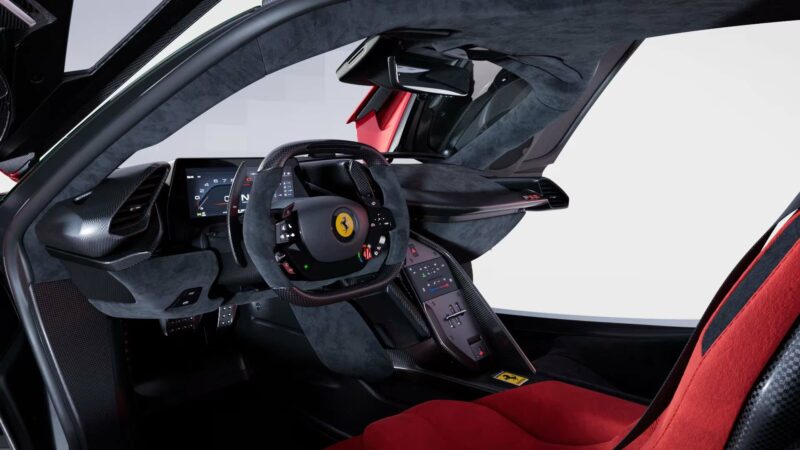
Step inside the Ferrari F80, and you are greeted by a cockpit that is as advanced as it is luxurious. The interior is designed with the driver in mind, featuring a minimalist layout that prioritizes control and comfort. Inspired by Ferrari’s Formula 1 car, the steering wheel integrates key controls, allowing the driver to adjust settings without taking their hands off the wheel. The seats, made from lightweight yet comfortable materials, offer excellent support, ensuring the driver remains controlled even at high speeds. The dashboard features a state-of-the-art digital display, providing real-time performance, speed, and engine status data. The Ferrari F80 represents Ferrari’s unwavering commitment to innovation, performance, and luxury. Ferrari shows that hybrid technology and performance can coexist without compromise as the automotive industry moves towards a more sustainable future.
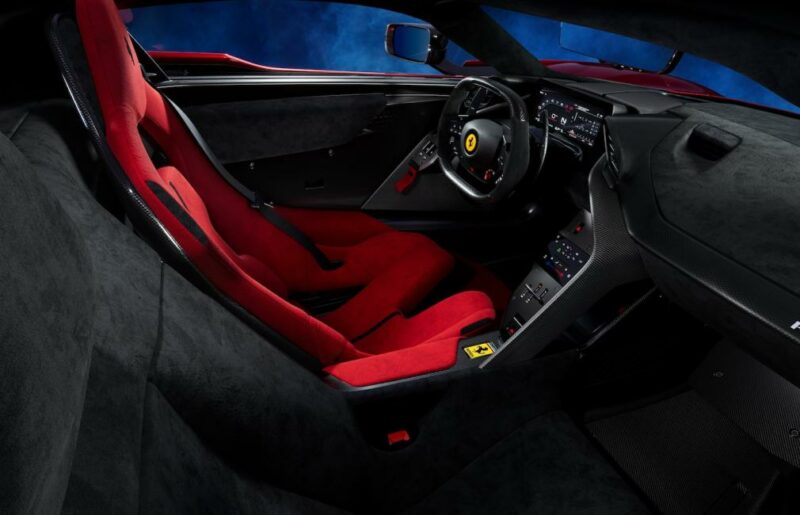
The F80 is a glimpse into Ferrari’s future: powerful, efficient, and unmistakably Ferrari. With its blend of cutting-edge technology, breathtaking design, and unrivalled performance, the Ferrari F80 sets a new standard for what a supercar can be. It is a bold step forward for the brand and a thrilling prospect for car enthusiasts worldwide.
Article edited by Alexander Elisab
 By mb@admin