In the golden light of an October sunset, amidst Baroque façades, centuries-old ceramics and the scent of the Mediterranean breeze, the 10th edition of Passerella Mediterranea – Donne NON Pupe unfolded like a living tableau of couture, craftsmanship and female strength. Conceived by Carmela Comes, one of Puglia’s most celebrated bridal designers, and produced by Urban Events with the support of the Puglia Region and the Municipality of Grottaglie, this milestone edition blended bridal fashion with cultural heritage, transforming the Ionian coast into a luxury destination for lovers of timeless beauty. The event, which has become a beacon for the luxury wedding world, offered guests an immersive journey through some of the region’s most exquisite venues.
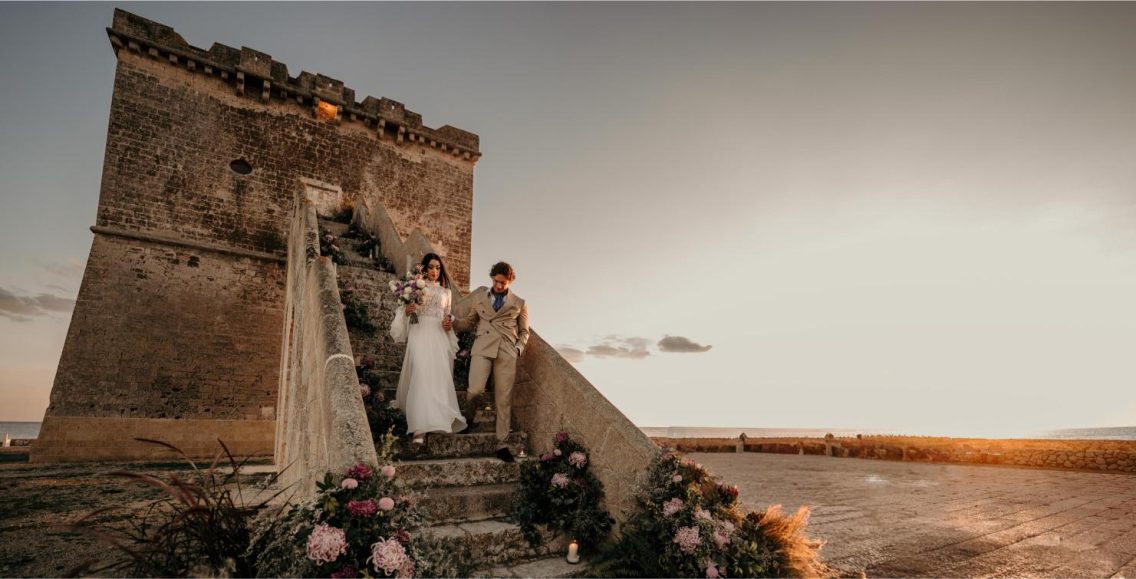
It began at Torre Lapillo, an ancient coastal tower in Porto Cesareo, now an official wedding venue, a place where history and love meet under Mediterranean skies. From there, the celebration moved to Manduria’s Archaeological Park, where acclaimed dancer Vito Pansini brought contemporary grace to ancient stones. Then Lecce, the “Florence of the South,” became the stage for one of the most meaningful moments of the festival: the Donne NON Pupe Award, hosted in the elegant halls of the Convitto Palmieri. More than an award, Donne NON Pupe is a cultural statement, a tribute to female resilience inspired by the traditional Grottaglie “pupa”, ceramic figures born from a medieval legend of liberation. Today, this symbol embodies the rejection of gender violence and celebrates the vision of a more inclusive world. Since its inception, the award has honoured some of the most powerful voices in Italy’s cultural and social landscape: from the Casa delle Donne of Rome, to survivor and activist Gessica Notaro, to singer Fiorella Mannoia, and Photo Vogue Festival director Alessia Glaviano. A sculpture of the Pupa, created by ceramic artist Gaetano Fasano, even resides in the Castello Sforzesco in Milan, standing as a contemporary echo to Boccaccio’s Decameron, a silent but potent reminder that art can change culture.
This year’s Pupa was awarded to Luciana Delle Donne, founder of Made in Carcere, a pioneering social enterprise that empowers incarcerated women through artisanal textile work, transforming discarded fabrics into colourful, handmade accessories. “It’s a joy to receive this award in my hometown,” Delle Donne shared during the ceremony. “For twenty years, I’ve chosen to give women in prison a chance to reclaim their lives through creativity, dignity and self-awareness.” The results speak volumes: while Italy’s average recidivism rate is around 70%, among women who have worked with “Made in Carcere” it is zero. What begins as stitching fabric becomes stitching lives back together.
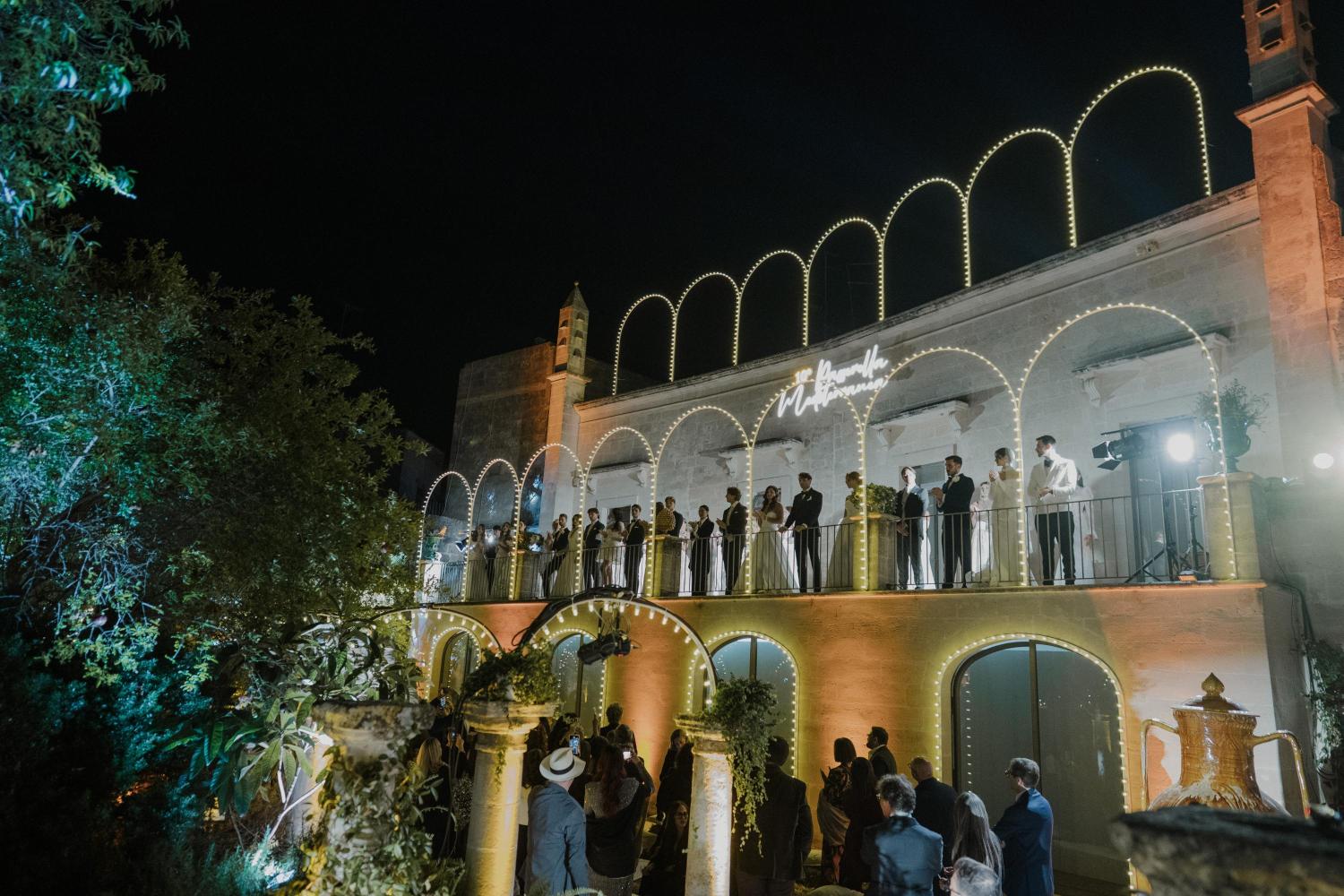
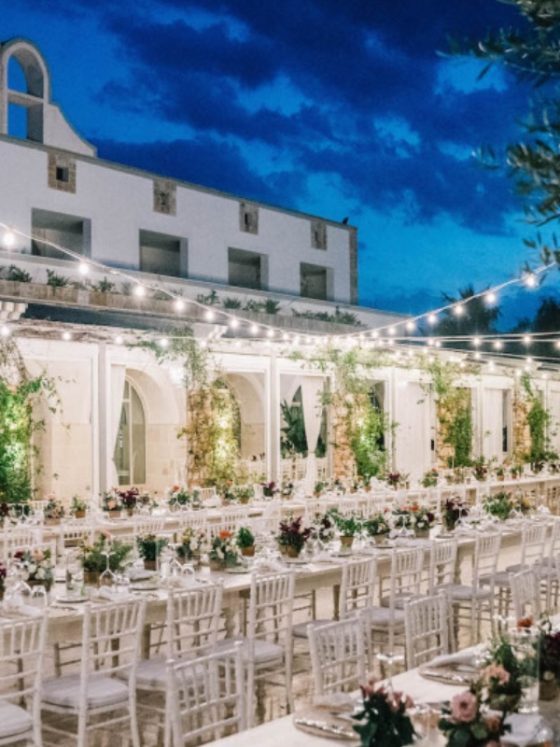
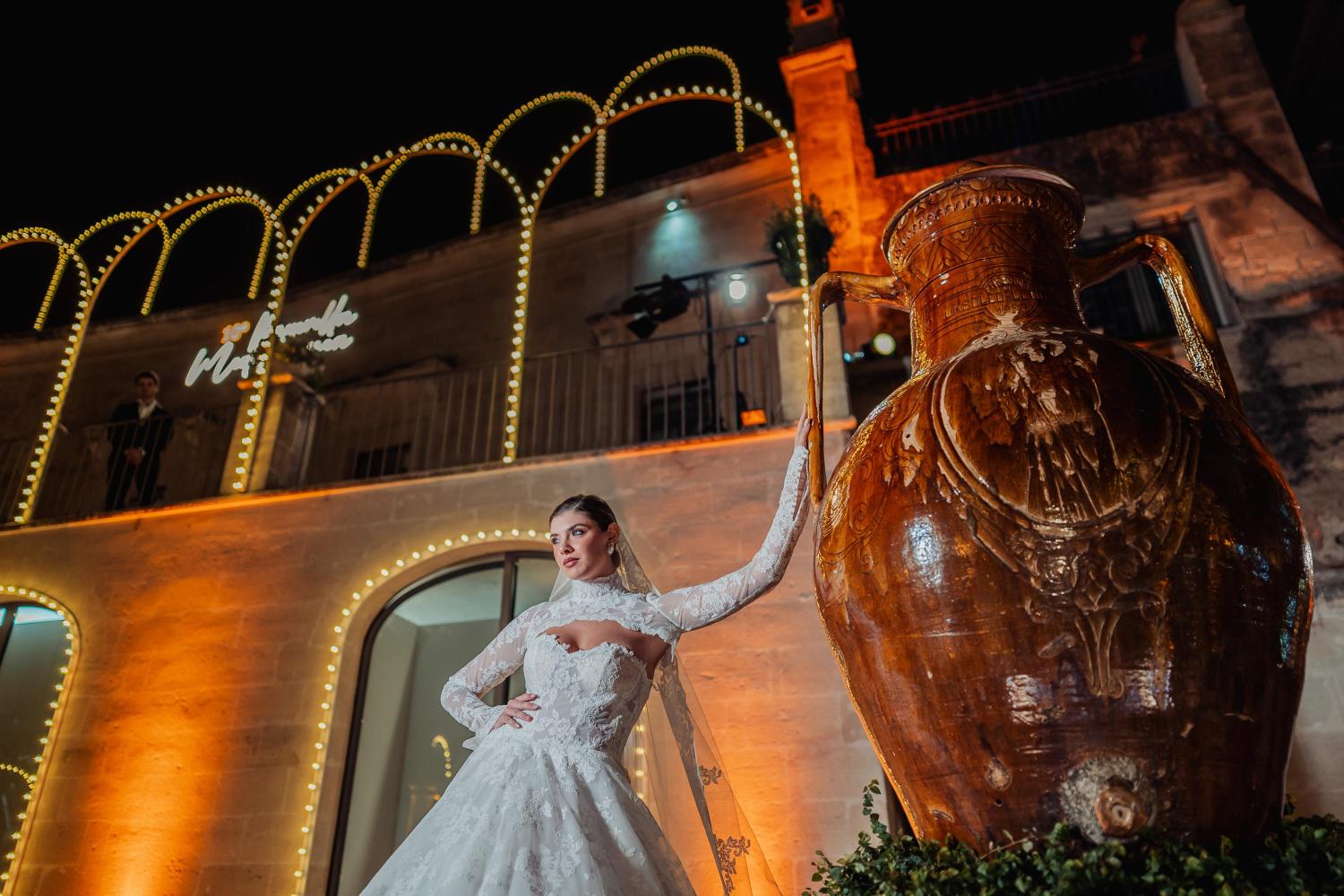
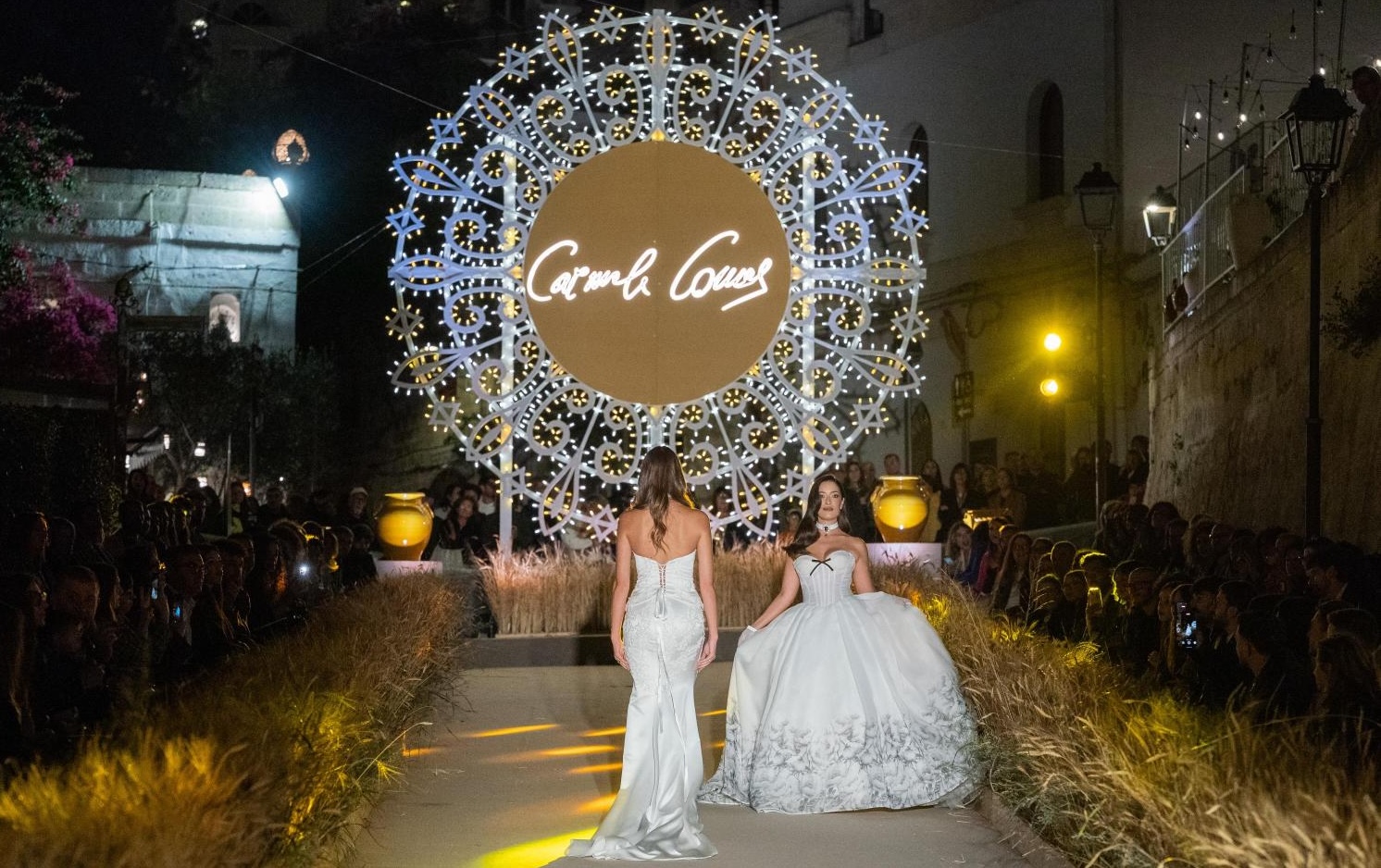
The event’s climax unfolded in Grottaglie, inside the romantic garden of Casa Vestita, nestled in the city’s storied Ceramics District. Here, Carmela Comes presented her latest bridal collection, “Paris… Eternally”, a poetic fusion of couture and memory. Twenty-five gowns graced the runway like whispered love letters. Inspired by 16th-century French corsetry, each piece reimagined historical silhouettes with macramé, delicate French lace, and silk that floated like air. Hand-embroidered details revealed the meticulous savoir-faire of a designer whose craft is rooted in emotion as much as technique. The runway itself became an enchanted Mediterranean garden, wheat fields gilded in gold, artisanal ceramics, floral architecture, and the luminous choreography of traditional luminarie by Paulicelli curated by Gabriele Emiliano. It was a scene where tradition didn’t simply frame fashion; it became fashion.
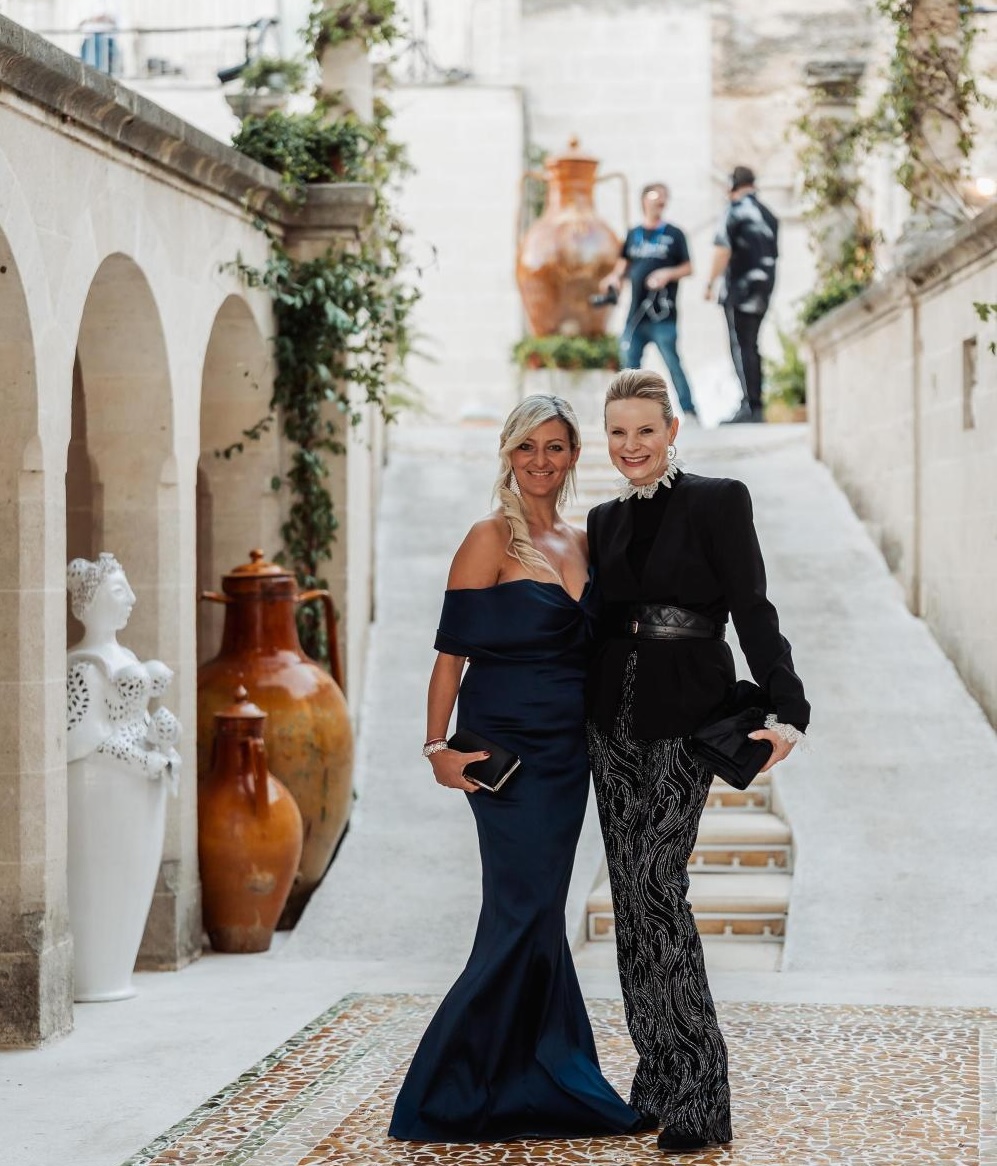
Behind every couture moment lies a network of extraordinary collaborators whose artistry transforms a vision into reality. The evocative Casa Vestita, a historic jewel in Grottaglie’s Ceramics District, became the poetic stage of the finale, framed by Francesca Vestita’s ceramic craftsmanship. The entire scenography and artistic direction, signed by Gabriele Emiliano Produzioni, turned the venue into a living work of art. The night’s allure was enhanced by Paulicelli Official and Calia Exhibitions, who illuminated the runway with a soft, golden glow; Donato Chiriatti and Flower Shop Francavilla crafted an evocative floral landscape; Pecoraro Parrucchieri created timeless hair looks; and Mimua Academy by Monia Iovino perfected ethereal make-up artistry.
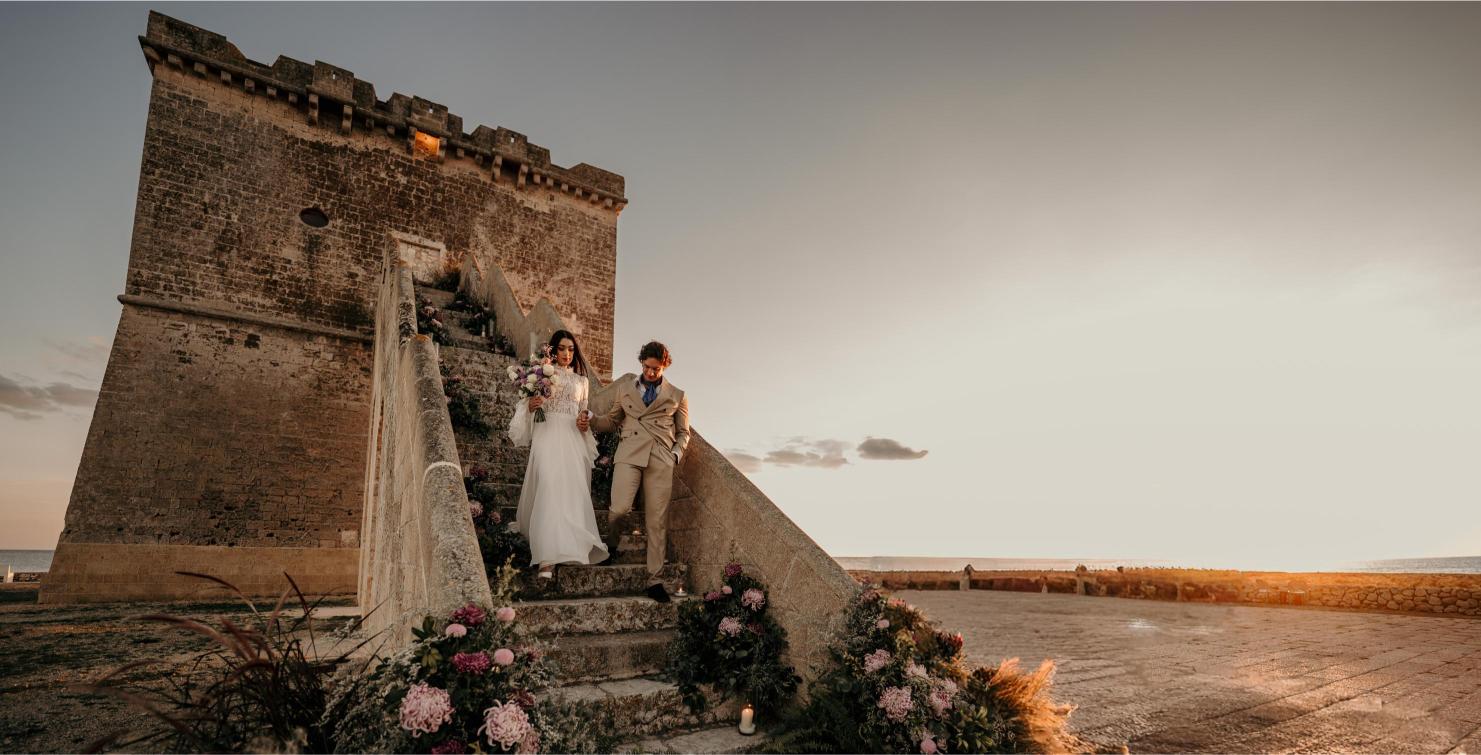
The event’s visual story was captured by Antony Pepe Photography and Giuseppe Calamunci Manitta, with elegant sound design by Matteo Giuà. Ceramiche Fasano enriched the scenography with their iconic pupe sculptures, Comes Uomo 1974 added a touch of masculine elegance, while Masseria Triticum Catering celebrated the authentic flavours of Puglia. But this edition was also about strategic vision. A curated selection of national and international destination wedding planners was invited to discover the region’s most exclusive venues- including Masseria Triticum, Relais Histó, Gianfranco Fino Wine Resort, Tenuta Pinto, and Masseria Cuturi– confirming Puglia as one of Europe’s most sought-after luxury wedding destinations. A pivotal role in the event’s international resonance was played by official ambassadors Diana Da Ros and Victoria Kursova, whose global expertise in luxury weddings elevated the event’s visibility. Working alongside Grazia Cinieri and Caterina Manlio, they ensured flawless coordination and a level of excellence that positioned Passerella Mediterranea among the most refined bridal experiences in Italy.
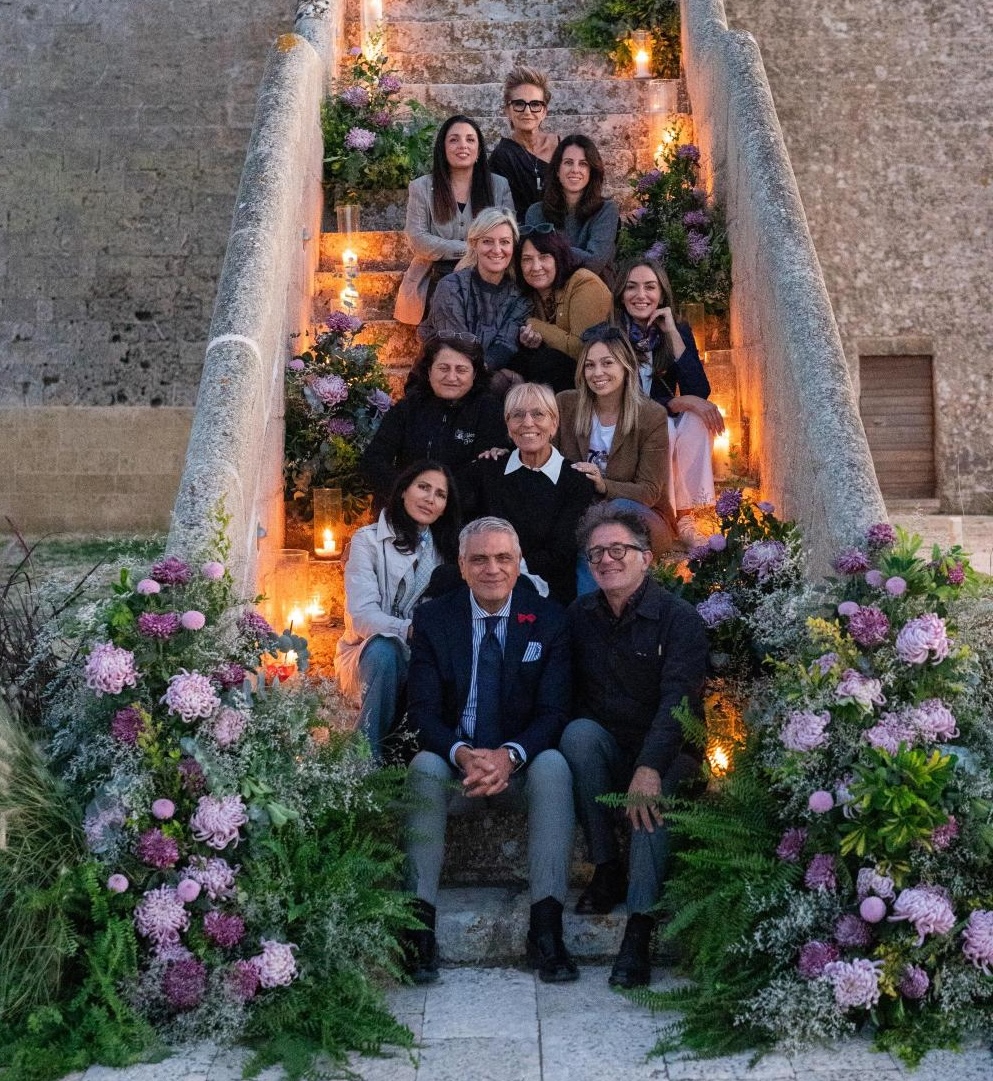
Ten editions later, Passerella Mediterranea is no longer just an event; it’s a movement. It has placed Puglia on the map as a luxury bridal destination, while also becoming a powerful platform for social impact and cultural diplomacy. Plans for the 2026 edition promise even deeper international collaborations and creative narratives that blur the line between fashion and art.
“Couture is not just beauty,” says Carmela Comes. “It’s heritage, emotion, and identity. Through each dress, we tell the story of women, strong, elegant, and free.”
SEE YOU @ 2026!
Article edited by Diana Da Ros