Our grandparents used to say, “When you have your health, you have everything.” Do you think they were right? But what does the term health really mean? What implications does it have on our lives? In what ways can taking care of our health contribute to building a more inclusive society? This article aims to answer these questions by considering health through the biopsychosocial model, which posits that every health or illness condition results from the interaction between biological, psychological, and social/cultural factors (Engel, 1977; Schwartz, 1982).

The biopsychosocial model surpasses the age-old dualism between mind and body, identifying the dynamic interaction of biological, psychological, and social factors as foundational to the onset of illness (Bertini, 1988). This model contrasts with the biomedical model, which primarily attributes illness to biological factors that the physician must identify and correct. Thus, health is defined as the “absence of disease” and as a “state of perceived biopsychosocial well-being.”
The focus is on perceived well-being, meaning what an individual considers to be beneficial for themselves. It is, therefore, crucial to understand the meaning attributed and the value each person assigns to a situation or event to determine whether they genuinely perceive themselves as being in a state of well-being. The concept of well-being is multi-faceted; its definition encompasses individual characteristics such as self-esteem, self-efficacy, and social comparison processes, the quality of relationships, and the perception of one’s functioning within the social environment. The biopsychosocial model of well-being also shifts the concept of health from something to be safeguarded to a goal to be pursued through healthy lifestyle choices (Braibanti, 2002). The importance of quality of life and the role of psychological and social factors in the onset, progression, and management of pathological conditions are increasingly evident.

The objective is not to “re-move” illness but to “pro-mote” the various dimensions of health. Thanks to the progressive establishment of this model, significant transformations have occurred, particularly in defining and classifying disability, which has undergone a complex process of revision over time. We are witnessing a shift from adjectives to nouns: we no longer speak of the disabled but of a person in a situation of disability, focusing on the individual rather than the impairment. Disability results from the interaction between the individual and their living environment. Disability affects everyone because any individual, at any point in their life, may find themselves in a health condition that, in an obstructive environment, becomes disabling.
For instance, if I were in a tropical jungle where the only way to access a food source was by leaping from vine to vine for a long distance, I would find myself in a state of disability, as my urban skills would be useless in guaranteeing my survival. However, if someone were to clear a path through this dense and tangled forest, allowing me to walk to the supply point, I could nourish myself and survive. Environmental interactions can thus act as barriers or facilitators of inclusion. Everyone can find space and meaning in a context that promotes inclusion and social participation. The primary goal is to initiate an inclusive process, fostering factors that promote inclusion while eliminating those that hinder it, guiding the individual toward fulfilling their life project.
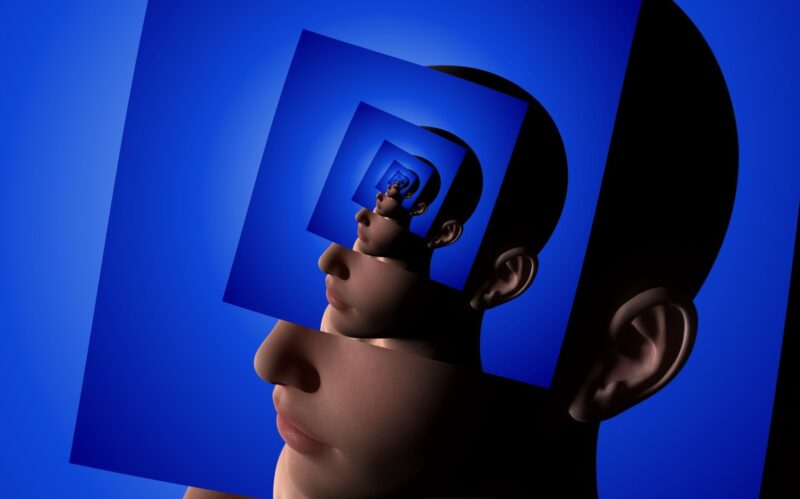
Paradoxically, a person in a situation of disability may experience more excellent health than a person without a diagnosis who feels dissatisfied and unable to build or fulfil their life project. It is not the disability itself that creates discomfort, but the closed doors and denied opportunities, which cause suffering and facilitate the onset of pathologies. If a person with a disability can realise their projects, achieve desired goals, and find constructive meaning in perceived failures, they will experience well-being and be in good health. Each of us has extraordinary power. We can choose to foster health development both for ourselves and in our interactions with others; we can actively engage in an inclusive process that allows us to open ourselves genuinely towards those different from us, offering us the opportunity to broaden our horizons. Each of us has the responsibility to use this power or not… Make your choice.

Article edited by Dr. Maria Elena Mastrangelo
Psychologist and Psychotherapist